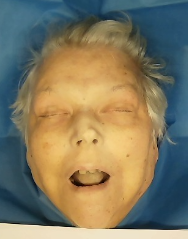
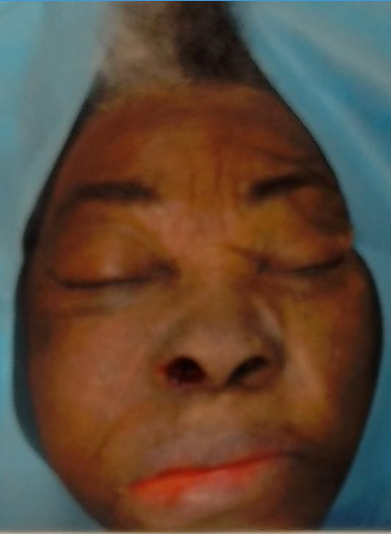
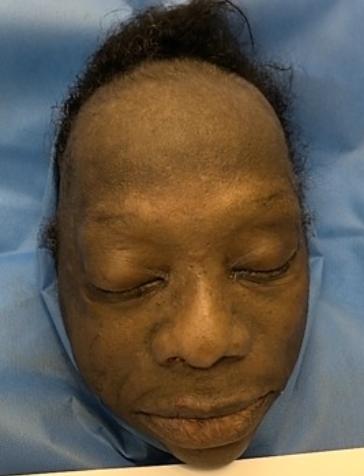
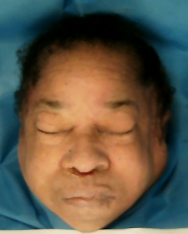
The NamUs listing for an unclaimed person identified as Roseann Solnica associated with Bronx, New York exists within the Unclaimed Persons database, a category reserved for decedents who have been identified by name but for whom no next of kin has been located to claim their remains. Public-facing content on the case page loads as a template without populated fields, displaying system notices such as “Investigating agency information must be entered before a case can be published” and “This case still has required information to be completed,” signaling that the entry is incomplete for public release. The page framework also shows the standard sections NamUs uses—Case Information, Demographics, Circumstances, Physical Description, Medical Data, Clothing and Accessories, and Disposition of Remains—yet the specific values for this case are not visible to the public viewer.
In New York City, the Office of Chief Medical Examiner participates in NamUs and directs families and interested parties to the NamUs system for information about unidentified and unclaimed decedents. OCME emphasizes that details about unidentified persons are posted to NamUs and encourages the submission of comparative information so potential associations can be made. This institutional role explains why an unclaimed person from the Bronx would appear in NamUs and why additional case progress often depends on contact from relatives or others with verified kinship information.
By design, NamUs restricts sensitive fields to vetted professional users, so public case pages can show limited information while still facilitating awareness and leads. NamUs describes itself as a national clearinghouse and case-management platform that supports missing, unidentified, and unclaimed cases; while the database is publicly searchable, detailed data are accessible only to authorized investigators. For unclaimed persons specifically, NamUs provides standardized fields such as Date Body Found and Location Found rather than “last seen” data used in missing-person records, which explains the absence of “last seen” information on an unclaimed-entry synopsis.
At a national level, NamUs publishes monthly statistics that include counts of open and resolved unclaimed-person cases, highlighting the continuing scope of unclaimed decedents and the importance of outreach. These reports underscore that resolving unclaimed cases frequently requires a combination of medicolegal investigation, genealogical work, and family engagement—steps that begin with a publicly viewable case record, even when many of the fields remain unpublished pending agency input.
In summary, the publicly viewable NamUs page for the unclaimed person case associated with Roseann Solnica from the Bronx is currently a minimally populated record that reflects an active but incomplete publication state. It shows the skeleton of NamUs’s case structure and system prompts indicating missing agency information, consistent with how NamUs gates sensitive details and gradually publishes data as investigators verify and supply required fields. The presence of the case within NamUs and OCME’s reliance on the system align with New York City’s practice of posting unidentified and unclaimed cases to NamUs to encourage leads that could help locate next of kin and resolve the disposition of remains.
Date Found: 07/24/2025