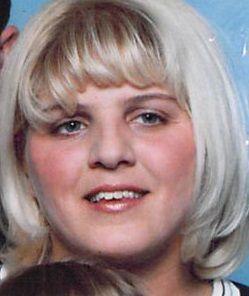
On March 26, 2000, a tragic series of events unfolded in a quiet rural home in Corydon, Indiana, resulting in the deaths of four family members. Donna Lee Sinnett Daley, a 49-year-old female, was discovered deceased inside the residence she shared with her daughter and grandchildren. Responding officers initially encountered a house fire, but as the investigation deepened, it became clear that the fire had been set to conceal a more violent crime.
Donna and her 22-year-old daughter, Summer Renea Daley Holland, were found to have sustained fatal gunshot wounds to the head. Also found in the home were Donna’s two young grandchildren, four-year-old Dillian Daley and three-year-old Marissa Meyer, who had perished from smoke inhalation caused by the blaze.
Investigators quickly turned their attention to Summer's husband, Kelly K. Holland, who had alerted authorities to the scene. Holland initially claimed he had been at work during the incident and had requested a welfare check on his family after his phone calls went unanswered. He arrived at the scene shortly after police, appearing visibly distraught and attempting to enter the burning home. However, law enforcement noted inconsistencies in his timeline and behavior. Forensic analysis later detected the presence of accelerants on Holland’s clothing and shoes, directly linking him to the arson. Furthermore, ballistics testing matched shell casings found at the crime scene to a firearm that Holland had borrowed from a fellow National Guardsman under the pretense of needing protection from wild dogs.
As the evidence mounted against him, Kelly Holland was arrested and charged with four counts of murder and one count of arson. The investigation revealed that the fire was a deliberate attempt to destroy evidence of the shootings. Although there were reports of a potential plea agreement and subsequent legal maneuvering, Holland eventually admitted to the killings. On May 16, 2001, he was sentenced to life in prison without the possibility of parole for the annihilation of his family, ensuring he would remain incarcerated for the remainder of his life.