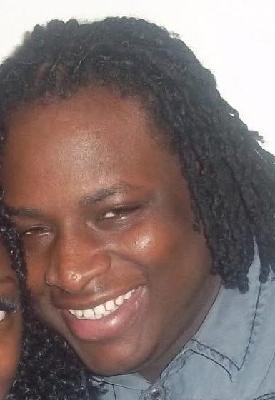
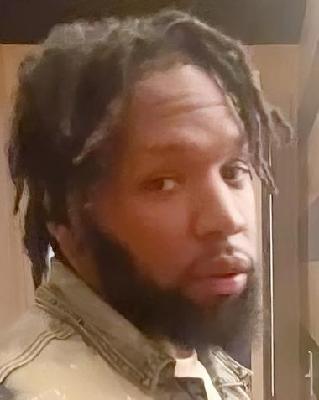
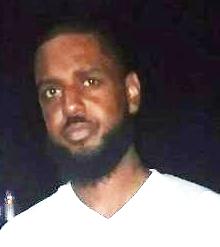
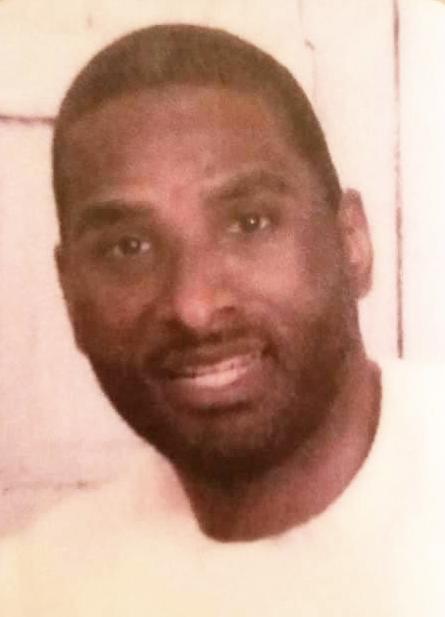
On November 28, 2014, Anthony Crooks, a 30-year-old Black / African American man from Newark, New Jersey, was shot in the city, beginning a brief and desperate fight for his life that would stretch over the next two days. What began as the start of a holiday weekend instead became a moment that froze time for his family, as news spread that he had been gravely wounded and was clinging to life.
Public records later noted the date of the shooting and identified him as the lone victim in that incident, marking the start of a case that would never fully be explained in the public record.
He did not die immediately. Accounts describe him fighting to stay conscious after being wounded, surrounded by people who loved him and were trying to keep him alive until help arrived. In a memorial message, a mourner remembered him asking not to be allowed to die as he struggled in those final moments, a detail that captures both his will to live and the panic and helplessness in the room. Two days after the shooting, on November 30, 2014, he succumbed to his injuries, and the formal obituary recorded that date as the day his life ended in Newark.
In the days that followed, the focus shifted from the hospital to the funeral home on Mercer Street, where arrangements were made to say goodbye. Obituary and memorial notices describe a man whose life was deeply rooted in family. He left behind his wife, Renee Crooks, their son, Ashmir, and three stepdaughters, Shantel Johnson, Ny'mirah Alexander, and London Sutton. He was also a brother and a grandson, survived by his sister, Melissa Crooks; his brothers, Michael Ragland and Anthony Mazon; his grandparents, Gladys and Felix L. Figueroa; and several grandchildren—Milan Stewart, Makaii, and Skyy Johnson—along with other relatives and friends whose names do not all appear in the public notices but whose grief is evident between the lines.
Guestbook entries and online memorials paint a picture not just of the logistics of a funeral, but of the emotional crater his death left behind. Friends wrote about how surreal it felt to accept that he was gone, recalling his smile and the ordinary moments that suddenly became final memories: a visit, a conversation at a doorway, the last time he walked out of someone’s home. One message remembers watching him try to fight to stay alive, and another simply wishes him peaceful rest, suggesting a community still struggling to process how quickly an everyday moment had turned into a fatal encounter.
Yet even as his family mourned, the story of what happened to him never solidified into a neat narrative with names and charges. Case summaries on homicide-tracking sites list his death as a shooting and invite the public to provide any information they might have, explicitly noting that, despite the passage of time, there has been no public update resolving the case. A discussion snippet from a community forum echoes this, with a poster lamenting that years had gone by without any arrests and expressing heartbreak for his young son growing up without his father. Taken together, these public records and community comments indicate that no suspect has been publicly identified and no arrest has been announced in connection with his killing, leaving those who cared about him dependent on hope that someone will eventually come forward.
Today, his name appears on national gun violence memorial sites and in databases that catalogue deaths by force, where his entry stands among thousands of others whose lives were ended by bullets. These listings confirm the bare facts—that he was shot, that he died in Newark on the last Sunday of November 2014—but they also preserve the simple acknowledgment that he was more than a statistic: a husband, father, son, brother, and grandson whose family continues to live with unanswered questions. His case remains publicly unresolved, and the appeals for information attached to his name suggest an open-ended story, one in which justice has yet to catch up with the violence that took him away.