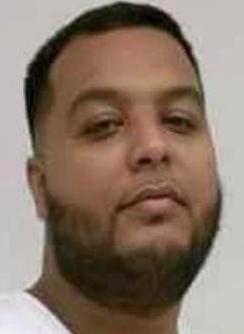
Jamil Henry, a 26-year-old Black / African American man from Camden, New Jersey, went out to celebrate his birthday at the Woodbine Catering and Night Club in nearby Pennsauken, a banquet-hall style venue along Route 73 that regularly hosted privately promoted parties. Friends and family later described him as a happy, outgoing young man who loved to dance, built friendships easily, and enjoyed life “to the fullest,” someone remembered for being funny, loving, kind-hearted and possessing what those close to him called a heart full of gold. The party he planned for himself was supposed to be a night of music and celebration, and people who were there recalled that he spent the night on the dance floor, laughing and enjoying the moment.
By the early hours of Sunday, November 13, 2016, the event at Woodbine was ending and patrons began spilling into the parking lot. Outside the building, tensions flared. Pennsauken police were called to the scene around 2:14 a.m.
for a disturbance as guests left the privately organized party. Officers began breaking up a fight in the lot, trying to separate people and clear the area. In the middle of that confusion, gunshots suddenly rang out from the opposite side of the building, away from where police were actively intervening. Some people who had been inside and were just coming out initially thought they were hearing firecrackers, not realizing that live rounds were being fired into the night.
Officers rushed toward the sound of the shots and found Henry lying on the ground in the parking lot, suffering from gunshot wounds. Emergency responders moved quickly to get him into an ambulance and transported him to Cooper University Hospital in nearby Camden. Despite efforts to save him, he succumbed to his injuries and was pronounced dead at approximately 6:04 a.m., only a few hours after the celebration had started to wind down. Incident records later noted that at least one other person was injured amid the chaos at the banquet hall that night, underscoring how swiftly the scene had turned from a party into a crime scene.
In the days that followed, his name appeared in obituaries and online memorials, not as a young man planning his future but as someone taken suddenly by gun violence. A brief funeral notice listed him simply as “Jamil M. Henry, age 26, Camden,” directing mourners to services at a church in the city and burial at Harleigh Cemetery. On memorial pages, friends and relatives shared snapshots of who he had been: a bright presence whose smile could lighten a dark day, a man remembered by one mourner as “ambitious, intelligent and vibrant,” and by another as someone whose laughter masked the pain others never saw. One tribute mentions meeting his young son and calls the child “great therapy,” hinting at the quiet, everyday life and responsibilities that were left behind when Henry was killed.
For his mother, Sandra Henry Davis, the loss was not just a headline but a daily ache. Speaking months later, she described her son as a typical young man who enjoyed himself, made friends easily, and was “never trouble.” She recounted how much he had enjoyed his birthday party, dancing through the night before everything changed just after two in the morning. Her public plea was raw and direct: she begged anyone who had been there and seen something to come forward, insisting that her son did not deserve what happened to him and that she needed justice for Jamil.
Investigators from the Camden County Prosecutor's Office and Pennsauken Police announced soon after the shooting that they were treating the case as a homicide and actively pursuing leads. They confirmed the sequence of events: the disturbance in the parking lot, officers already on scene, the sudden gunfire from the far side of the building, and the discovery of Henry gravely wounded on the pavement. Yet, in the immediate aftermath, authorities reported that no arrests had been made. An Associated Press report repeating the basic facts of the case likewise noted that the investigation was ongoing and that no one had been taken into custody.
Months later, the Citizens Crime Commission joined the effort, offering a $1,000 reward for information leading to the arrest and conviction of whoever was responsible. A dedicated tip line was publicized, and Henry's mother appeared again, promising that she would not stop searching for her son's killer and appealing directly to the conscience of those who had remained silent. Years have passed since the shots echoed across the Woodbine parking lot, and case-tracking sites still list his death as an unsolved homicide, with his profile marked simply as “Death by Force” and an open call for anyone with knowledge of that night to come forward. As of the most recent public information, no arrests have been announced and no suspect or suspects have been publicly identified in connection with the killing of Jamil Henry.