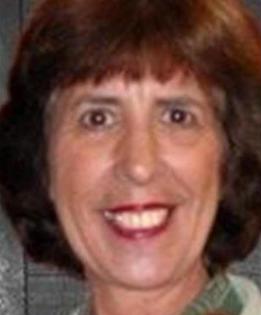
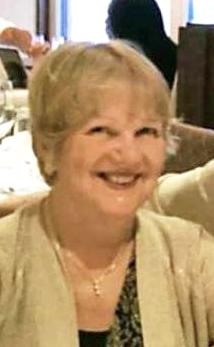
Linda Kologi, a 44-year-old white woman from Long Branch, New Jersey, spent the last night of 2017 doing what she loved most: gathering her family together in their home on Wall Street to ring in the New Year. The Kologi house was a familiar, comfortable place, where Linda and her husband, Steven, had raised their children and woven a life centered on family traditions, holidays, and the simple routines of everyday love.
That evening, as the final minutes of the year ticked away, relatives and close friends were in the home, including the couple’s daughter Brittany and Steven’s father’s longtime companion, Mary Schulz. The atmosphere was supposed to be festive, an ordinary New Year’s Eve of snacks, conversation, and the television counting down to midnight.
Behind that familiar setting, however, something much darker had been building inside Linda’s younger son, Scott Kologi. Sixteen years old, he had access to a Century Arms C39v2 semiautomatic rifle that belonged to his older brother and was kept in the house. In the time leading up to the shooting, investigators later learned, he had watched online videos to understand how the weapon worked and even researched whether it could penetrate bullet-resistant vests, a chilling indication of the planning that preceded his actions. On the night of December 31, he put in earplugs, donned a long dark coat and sunglasses, and took the rifle upstairs into his darkened bedroom, preparing for an attack that no one in his family could have anticipated.
Around 11:43 p.m., as the new year approached, the calm inside the home shattered. Scott lured Linda upstairs toward his room. When she came to see what he wanted, he opened fire, shooting her at close range in the hallway or bedroom area. The sound of gunfire sent Steven rushing up the stairs to see what had happened, only to be gunned down as he reached the same space where his wife lay mortally wounded. Downstairs, Brittany—home from her first year of college—and Mary Schulz remained in the kitchen area, unaware of the full horror unfolding above them. Moments later, Scott moved through the house with what prosecutors would later describe as a frightening calm, stepping around his parents’ bodies and descending the stairs with the rifle still in his hands.
On the first floor, he continued the attack, shooting Brittany and Mary and striking them multiple times. His grandfather, Mary’s partner, was also in the kitchen, close enough to be in immediate danger, yet for reasons that remain unclear even after years of court proceedings, Scott did not shoot him. By the time the gunfire stopped, four people lay dead throughout the house: Linda, Steven, Brittany, and Mary. Authorities later counted fourteen rounds fired, twelve of which struck victims, a testament to both the lethality of the weapon and the focused nature of the assault. Outside, neighbors and passersby who heard the shots called for help, and police units from Long Branch and the Monmouth County Sheriff’s Office sped toward the address on Wall Street as New Year’s Eve turned into New Year’s Day.
When officers arrived, they encountered a crime scene spread across the family home. The victims were found in different rooms and levels of the house, each fatally wounded. Scott, still inside, was taken into custody without officers having to fire a shot. The rifle he had used was recovered at the scene. In the hours that followed, he gave a recorded statement to investigators in which he described how he “just kept firing,” comments that would later be replayed for a jury years down the line. From the outset, there was no indication of any other suspect; law enforcement quickly focused solely on him as the perpetrator, and he was charged with four counts of murder along with weapons offenses. Because he had been a juvenile at the time of the killings but was accused of such severe crimes, prosecutors moved successfully to have his case waived from juvenile court to adult court, exposing him to significantly harsher penalties.
As the criminal case moved forward, the public struggled to understand how a teenager could annihilate nearly his entire immediate family in a matter of minutes. Friends and neighbors remembered the Kologis as “the best people in the world,” a tight-knit family whose home often seemed like a hub of warmth and normalcy. In court, defense lawyers pointed to Scott’s mental health and developmental issues, raising questions about his ability to fully comprehend his actions. Prosecutors countered with the evidence of planning: the research on the rifle, the precautions to protect his hearing, the deliberate sequence of attacks, and his calm recounting of events to detectives. Those details, they argued, showed that he knew exactly what he was doing when he pulled the trigger again and again on his mother, father, sister, and Mary Schulz.
In February 2022, after a trial that examined his mental state as well as the physical facts of the crime, a Monmouth County jury found Scott Kologi guilty on all counts: four counts of first-degree murder and a related weapons offense. A few months later, he returned to court to learn his fate. The judge sentenced him to what amounted to a lifetime behind bars—an aggregate term of 150 years in state prison, with at least 85 percent of that time required to be served before he becomes eligible for parole under New Jersey law. For authorities, the verdict and sentence confirmed that the responsibility for the New Year’s Eve massacre rested squarely on his shoulders. For those who had known Linda Kologi, it was a grim, legal finality that could never restore the woman whose life had revolved so completely around the family that was destroyed from within.