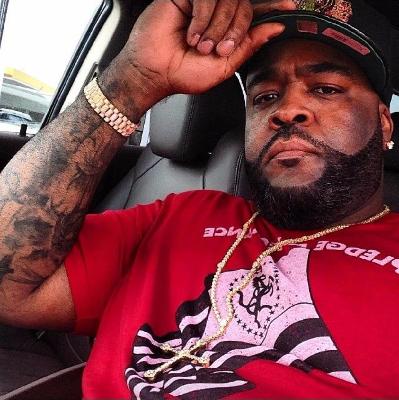
Ronnie Gibbs, aged 21, was shot and killed on January 13, 2009, in Chicago, Illinois. His homicide took place on the South Side of Chicago, a region that has been heavily impacted by gun violence and crime for many years. The incident involved an assailant who approached Gibbs and shot him multiple times, resulting in his immediate death at the scene. Gibbs' killing was one of many that occurred during a challenging period for Chicago, where the homicide rates were on the rise, especially in neighborhoods struggling with poverty and gang activity.
The year 2009 saw a continuation of Chicago's battle against high levels of violent crime, with neighborhoods like those on the South Side experiencing the highest rates of shootings. Despite efforts by law enforcement agencies to curb gun violence, the structural and social issues present in many communities posed significant challenges to those efforts. Ronnie Gibbs' death was emblematic of the broader struggle faced by young men living in areas characterized by limited economic opportunities, the presence of gangs, and high levels of crime.
The homicide of Ronnie Gibbs added to the grim statistics that marked Chicago's violent history during the late 2000s. City authorities faced an uphill task of addressing both the immediate consequences of such violent incidents and the underlying factors that contributed to these high crime rates. The tragic loss of Gibbs and others like him during this period underscored the pressing need for comprehensive solutions that address not only law enforcement but also the economic and social support required to bring lasting safety and opportunity to these neighborhoods.