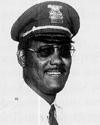
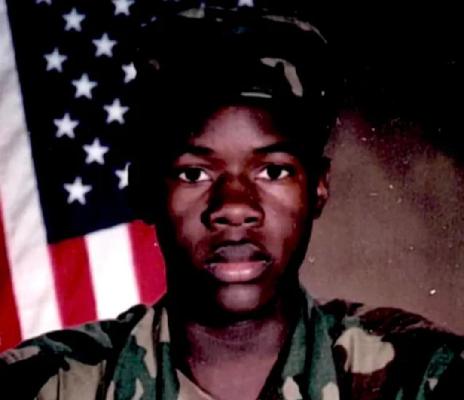
On a Friday afternoon, February 5, 1999, Richard Daniel Scalf, a 26-year-old White/Caucasian male, was working as a police officer for the Detroit Police Department. He was participating in an undercover prostitution sting at the intersection of Chene and Hendrie Streets. Around 1:20 p.m., the operation took a violent turn. A female officer, posing as a prostitute, had been propositioned by a man in a truck.
She signaled to her backup team, including Officer Scalf and his partner, Officer Diaz Graves, to move in and make the arrest.
As the officers approached the vehicle and ordered the occupants out, the passenger, identified as Darryl Paul Gates, pulled out a handgun and began firing. Officer Graves was struck in the head and critically wounded. Officer Scalf took a defensive position and exchanged gunfire with the suspect. During the shootout, a bullet struck Officer Scalf's hand, causing him to drop his service weapon. As he bent down to retrieve it, another round hit him in the back, penetrating a gap in his bulletproof vest. The wound would prove to be fatal.
Other officers on the scene returned fire, killing the suspect, Darryl Paul Gates. The driver of the truck was taken into custody for questioning but was later released as it was determined he was not involved in the shooting. Officer Scalf was rushed to a local hospital but succumbed to his injuries. His partner, Officer Graves, despite being shot three times in the head, chest, and abdomen, survived the attack.
Since the sole suspect in the shooting death of Officer Richard Daniel Scalf was killed at the scene, there were no subsequent arrests, trials, or convictions in this case. The tragic death of the three-year veteran of the police force was a stark reminder of the dangers faced by law enforcement officers.