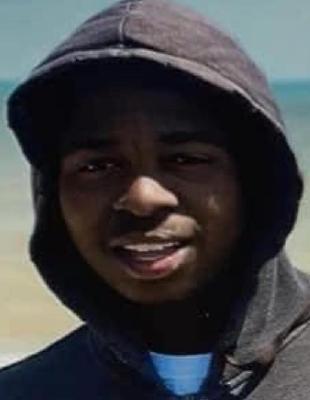
Randall Ewing, a 34-year-old man from Chicago, Illinois, was fatally shot on May 31, 2009, in the city's Near West Side neighborhood. His death was part of the broader trend of violence that has affected Chicago's neighborhoods, particularly in areas that have consistently experienced high rates of homicides. The homicide rates in community areas on the West and Southwest sides of Chicago have remained troublingly high, and Ewing's death reflected the ongoing struggle with violence in these communities.
The shooting occurred on the Near West Side, which, along with other areas like Englewood and West Garfield Park, has experienced a disproportionately high number of violent incidents over the years. From 2007 to 2009, the homicide rate in the Near West Side community was notably high, indicating that the area had become one of the many focal points for the city's battle against crime. Chicago's overall homicide rate has historically been significantly higher than national averages, largely due to concentrated violence in specific neighborhoods.
Randall Ewing's death adds a tragic chapter to the story of Chicago's ongoing fight against violent crime. Many of these homicides are influenced by a complex mix of socioeconomic factors, including poverty and limited access to resources in affected areas. This has led to a persistent cycle of violence that the city has struggled to contain despite efforts from law enforcement and community organizations. The violence disproportionately impacts young men and contributes to a sense of insecurity and fear within the community, as residents contend with both the direct and indirect consequences of the high crime rates.