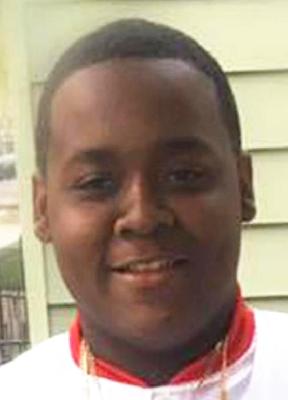
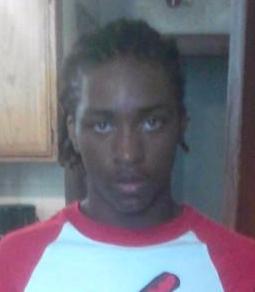
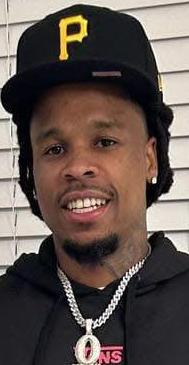
Myron G. Brown, aged 30, was fatally shot on January 5, 2013, in Chicago, Illinois. This tragic incident was part of a broader pattern of gun violence that disproportionately impacted Black communities across the city. Brown was one of several victims of gun-related homicides recorded on that day, as documented by the National Gun Violence Memorial, which highlights the scale of the violence affecting Chicago residents during this period.
The homicide of Myron Brown occurred against the backdrop of high rates of gun violence in Chicago, which has been particularly devastating for Black men. Statistics show that gun homicides have been the leading cause of death for Black men ages 15 to 44 for many years, and Chicago, as one of the major urban centers in the U.S., has been at the heart of this crisis. The disparity in gun-related deaths is significant, with Black men being much more likely to fall victim to gun violence compared to other demographic groups. In large cities like Chicago, this impact is exacerbated by systemic issues such as poverty, residential segregation, and limited access to resources and opportunities that could help prevent violence.
Efforts to curb gun violence in Chicago have faced numerous challenges. Communities hit hardest by gun violence, including those where Brown lived, have often lacked the necessary social and economic support to effectively address the root causes of the violence. The devastating impact of these homicides is not only evident in the loss of individual lives but also in the ongoing trauma experienced by entire neighborhoods. Gun violence remains a pervasive issue, with young Black men in Chicago facing a higher risk of falling victim to such violence compared to their peers elsewhere in the country.
The homicide of Myron Brown is a reminder of the ongoing epidemic of gun violence in Chicago, especially within vulnerable communities. Despite increased law enforcement measures and community outreach programs, gun homicides continue to be a major concern. For families like Myron Brown's, the tragic loss reflects the urgent need for comprehensive solutions that involve both community engagement and systemic policy changes to address the violence and its underlying causes.