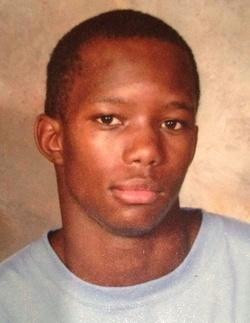
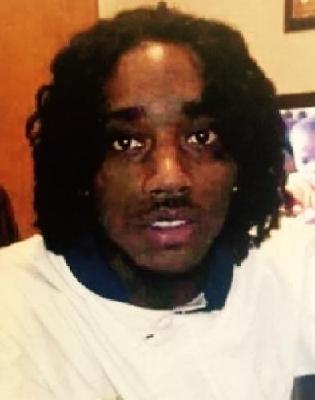
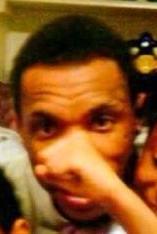
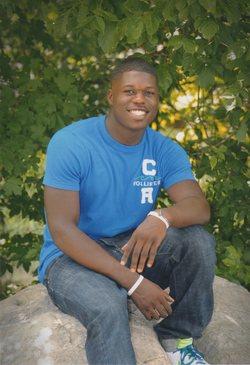
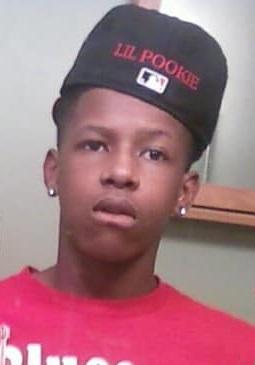
Raymondo D. Mosley, a 25-year-old man from Flint, Michigan, died on Sunday, July 31, 2016, at Hurley Medical Center after being gravely wounded by gun violence. Obituary and burial records list him as Raymondo Dontae Mosley and place his final hours at the Flint hospital, while gun-violence memorial listings record his name and date among those killed by firearms on that day in Michigan.
In some of these memorial compilations, his surname is rendered as Easley rather than Mosley, a small but telling sign of how even the basic details of a life can become blurred once a person is reduced to an entry on a list.
What is clear from the fragments that remain is that his death did not come quietly. He was one of many people across the country marked down as “lost to gun violence” on that summer day, his name appearing alongside dozens of others whose lives ended in sudden, violent circumstances. Whatever unfolded in the moments before he was injured has not been preserved in public reporting that can be freely accessed: the exact location of the attack, whether it happened on a street, outside a business, or near a home, and who else might have been present all remain obscured. What can be seen instead is the stark outline—a young man from Flint, critically hurt by gunfire, taken to the city’s major trauma hospital, and pronounced dead there before he ever had the chance to grow old.
The most vivid traces of who Raymondo was come not from news accounts but from the voices gathered in his obituary guestbook. Friends, cousins, coworkers, and siblings describe him as generous, funny, and steady-hearted, the kind of person whose smile and presence could anchor a room. Several mourners write about the way he carried himself as a father, emphasizing how devoted he was to his young daughter and how painful it is to imagine her growing up without him. Others recall late-night talks, shared shifts at work, or chance encounters at clubs and family gatherings, all of them now reinterpreted as last memories. They speak of a “good guy” taken too soon, a “handsome brother” with a bright future, and a man whose kindness and faith were as central to him as the blood ties that bound him to a large extended family.
Publicly accessible records surrounding his death offer little about what investigators uncovered afterward. The obituary and memorial pages that remember him as a victim of gun violence do not mention any suspect by name, any arrest, or any charges, and they contain no references to court proceedings or a trial tied to his killing. Outside of paywalled local reporting that cannot be reviewed here, there is no open documentation that someone has been formally held responsible. From what can be seen in available online sources, Raymondo D. Mosley’s story in the public record is thus split in two: on one side, a portrait drawn by grieving relatives and friends of a loving son, brother, cousin, coworker, and father; on the other, a stark, unresolved entry on a list of people lost to gun violence, with the circumstances, suspects, and ultimate outcome of any investigation left largely in the dark.