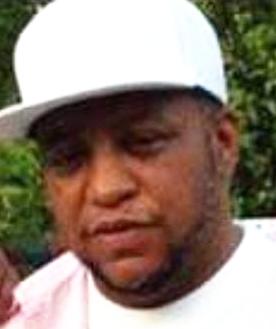
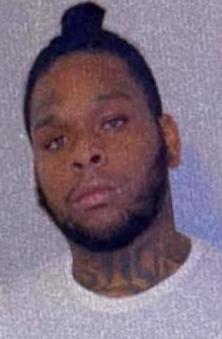
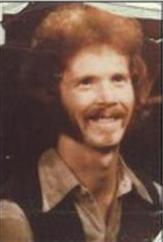
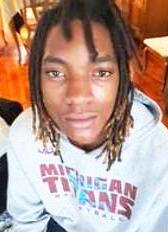
Paul Cataline, a 51-year-old white man, vanished just before the new year as 2020 came to a close, leaving his family in growing fear when he did not return home or make contact. Days later, on January 2, 2021, the quiet stretch of Dupont Street on Flint’s north side, across from Max Brandon Park, became the place where the uncertainty ended. In a vacant field, police found him shot to death, his disappearance now unmistakably a homicide.
The cold winter evening offered few clues, and investigators began retracing his final hours while urging the public to help identify who had brought him to that isolated patch of ground.
For months, the case remained without public resolution, marked by appeals, rewards, and the slow, determined work of detectives assembling the fragments of what happened in the final days of December. Eventually, attention turned to two individuals whose names would become central to the case: Yarnell Jaquan Jackson and Destanasia Latorrionna Hoyle. As the investigation progressed, prosecutors alleged that Jackson was the shooter and that Hoyle played a supporting role in the events that led to Paul’s death.
On September 25, 2023, significant movement came when Genesee County District Court Judge William H. Crawford bound both defendants over for trial. Jackson, then 27, faced amended charges of open murder, felon in possession of a firearm, felony firearm and carrying a concealed weapon. Hoyle, 23, was ordered to stand trial on the same charges under the theory that she aided and abetted Jackson during the killing. The ruling meant prosecutors had presented enough evidence for the case to advance, shifting the focus from investigation to the courtroom, where the details of Paul’s final moments would be examined under oath.
The decision to send both defendants to trial marked a turning point in a case that had long weighed on Paul’s family and the wider community. What began as a missing person report and an unexplained death in a field grew into a narrative of alleged collaboration, violence and accountability. As the legal process moved forward, the hope for answers—long suspended between grief and uncertainty—drew closer to becoming something more concrete, with the courts prepared to determine the roles Jackson and Hoyle played in the killing of Paul Cataline.