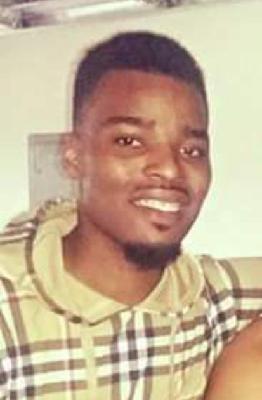
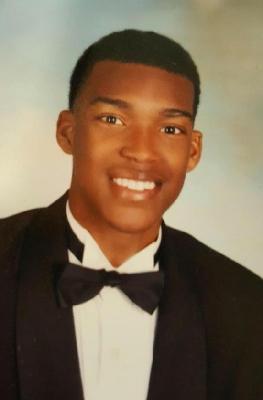
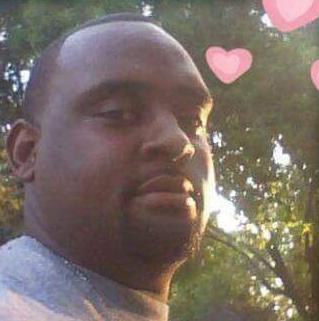
In the early hours of December 30, 2017, 31-year-old David Yancy, a Black / African American man from Jackson, Mississippi, was gunned down in the front yard of a house on Bonita Street. Officers from the Jackson Police Department were dispatched around 2:48 a.m. to 455 Bonita Street after reports of gunfire. When they arrived, they found Yancy lying in the yard of the residence, suffering from multiple gunshot wounds.
He was pronounced dead at the scene, and the quiet predawn street was quickly transformed into a taped-off crime scene lit by patrol car headlights and emergency beacons.
Investigators soon noted that the address where Yancy was killed was not his home; he did not live at the Bonita Street residence where his body was found. His death was recorded as Jackson’s 63rd homicide of 2017, another number in a year that had already seen too many lives lost to gun violence. Detectives canvassed the neighborhood, looking for anyone who might have heard shots or seen movement in the darkness before officers arrived. Public appeals went out quickly: Jackson police and local media urged anyone with information to contact police or CrimeStoppers, a sign that investigators were starting almost from scratch and needed the community’s help to move the case forward.
Away from the police lights and crime-scene tape, Yancy’s name began to appear on online memorials alongside other Americans lost to gunfire that same day. On one such memorial page, people who knew him added details that sketched the contours of a life cut short: he was remembered as humble and easy to be around, someone described in warm, familiar terms. The same page notes that he had a young son, that he worked at a car wash connected to a North Jackson gas station, and that he had ties to Murrah High School—small personal details offered by those who chose to light digital candles in his memory. Together, they hint at a man embedded in everyday routines of work, family, and neighborhood before violence intruded without warning.
For detectives, the case began with very little to go on. Early statements from Jackson Police indicated no clear motive and no publicly identified suspects. The department’s own summary of the Bonita Street homicide emphasized that there was no suspect information to release and that the investigation was ongoing, underscoring how little was known about who had opened fire in the dark hours before dawn or why Yancy ended up shot multiple times in a yard that was not his own. Subsequent news coverage of Jackson homicides from that period does not reflect any later announcement of an arrest, named suspect, or prosecution specifically tied to Yancy’s killing, and the memorial listings that include his name continue to present his death simply as an unresolved act of gun violence. Taken together, the public record suggests that no one has yet been publicly charged with his murder, leaving the questions of who pulled the trigger on Bonita Street, and why, still unanswered years later.