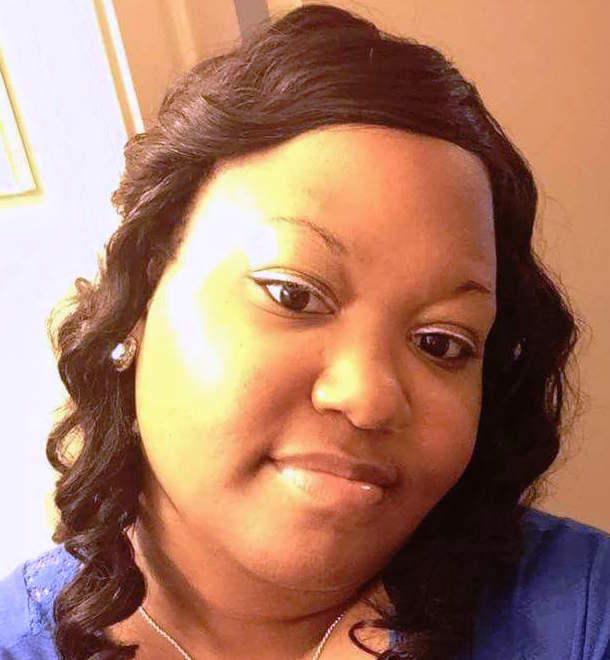
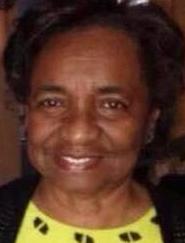
Dedontae “Dominique” Jackson, a 30-year-old Black transgender woman from Jackson, Mississippi, left home in January 2021 and never returned; late on the night of January 25, she was driving along Rose Street near Grand Avenue when shots were fired and her car slammed into a utility pole. Responding officers found her still in the driver’s seat, gravely wounded from a gunshot injury, and she was pronounced dead at the scene despite efforts to save her.
In the days leading up to that night, loved ones had already been worrying. Family members had reported her missing after realizing they had not seen or heard from her for several days, and social media posts pleaded for information about where she might be. When police finally located the crashed vehicle on Rose Street, they were finding not just a traffic accident but the end of a search that had quietly been unfolding among friends and relatives.
Those who knew Dominique remember far more than the violence of that night. She was known in the local LGBTQ community by her chosen name and as “Mother” of the Hause of Redd, a leadership role in the ballroom scene that carries responsibility for mentoring younger people and creating a sense of family. She also founded The Ladi Redd Inc., reflecting a drive to build something lasting out of her creativity and charisma. National advocacy organizations later described her as an important and valued member of her community, someone whose presence was felt well beyond Jackson’s city limits.
In the immediate aftermath of the killing, the investigation was complicated by the way authorities and some local media initially described her. Early reports used her legal name and a male gender marker, misgendering and deadnaming her in ways that obscured her identity and contributed to delays in informing her family. Civil-rights groups in Mississippi quickly spoke out, not only demanding a thorough investigation but also pointing out how routinely transgender victims are misidentified in official reports. The ACLU of Mississippi and other organizations highlighted her case as an example of why state hate-crime laws, which do not explicitly cover gender identity, need to be updated, and they framed her death within a broader pattern of lethal violence against transgender people across the United States.
For several days after the shooting, police publicly stated that no suspect had been named and that a motive had not been determined, even as Dominique’s case was being added to national lists tracking anti-transgender violence. That changed in February 2021. Local news outlets reported that Jackson police had arrested 25-year-old Branden Deshon McLaurin, who was booked into the Hinds County jail on February 10, 2021, on a homicide charge and soon afterward identified by the Jackson Police Department as the person charged in connection with her killing on Rose Street. Authorities did not publicly explain how they connected him to the crime, and they did not release any detailed account of what they believed had happened in the moments before the gunfire and crash. Commentators and community members speculated about possible motives, but police and prosecutors have not confirmed any specific narrative about why she was targeted.
Years later, public records show that the case moved through the courts to a definitive outcome. The Mississippi Department of Corrections lists Branden McLaurin as having been convicted in Hinds County of second-degree murder, with a sentence of 25 years in state prison and a sentence date of September 17, 2024; he is currently incarcerated in the state system with a tentative release date in 2046. Although details of the courtroom proceedings are not easily found in public summaries, that conviction means the state formally concluded that he was responsible for the fatal shooting that ended Dominique’s life on that January night.
Even with a conviction on the books, Dominique’s death continues to resonate far beyond the criminal case number attached to it. Advocacy groups have folded her story into national reports documenting dozens of transgender people lost to violence in 2021, underscoring how often such killings involve firearms, occur in or near victims’ homes and neighborhoods, and are followed by misidentification or underreporting. In Jackson and in LGBTQ circles nationwide, her name is invoked as both a personal loss and a call to keep pressing for better protections, more respectful treatment of transgender victims by institutions, and a world in which the kind of chosen family Dominique built does not have to gather again and again to mourn someone gone too soon.