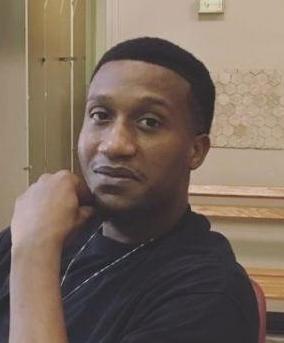
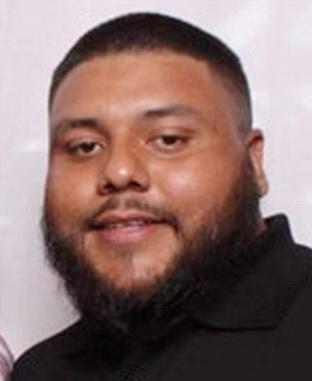
Quincy Lamont Brown, a 37-year-old Black man from Altus, Oklahoma, spent most of his life shaping wood into useful things and cheering for the Dallas Cowboys. Born in Altus on May 3, 1980, to Linda Brown, he graduated from Altus High School in the class of 1998 before working as a carpenter, a trade that suited his quiet pride in building something solid and lasting.
Family was threaded through every part of his story: his daughter Vivica and son Terrell Rosenberg, his mother Linda and stepfather Burgess Bradford, and a wide circle of brothers, aunts, uncles, and friends who knew him as a steady presence in a small city where most people recognize one another by sight.
On Tuesday, January 23, 2018, the routine of that small community was broken in the early afternoon. Just before 1:50 p.m., calls began coming into Altus police about shots fired in the 200 block of South Jackson Street. Officers arriving at a home on that block found a man inside with a gunshot wound to the chest, and the scene was quickly treated as a homicide. In the hours that followed, shock moved through Altus as news spread that Quincy had been killed, his name soon appearing in local obituaries and on national gun-violence remembrance pages that recorded only the essentials: his age, his city, and the stark phrase that he had been lost to gun violence in Altus that day.
The first wave of the investigation moved quickly and, at least at the start, in the wrong direction. Altus police issued a bulletin naming 34-year-old Michael Leernest Terreal Moore as the suspect in the shooting, warning that he was “armed and dangerous” and might be driving a white two-door 2006 Chevy Cobalt with Oklahoma plates HSL119, a car that belonged to the victim and had been taken from the scene. Authorities believed Moore could be heading toward small Texas towns in the Big Country region, and the alert rippled out across county and state lines. As officers chased leads, however, Moore contacted law enforcement and local media, insisting he had been in Abilene at the time of the murder. Investigators checked his story, reviewed surveillance footage, and ultimately confirmed his alibi, forcing them to retract his name publicly and clear him as a suspect.
While that confusion was unfolding, another thread of the case was already pulling investigators toward the man they would ultimately blame for Quincy’s death. The Oklahoma Highway Patrol, along with deputies from the Kiowa and Washita County sheriff’s departments, became involved in a pursuit tied to the stolen Chevy Cobalt, which was later found abandoned and burned south of Cordell. Not far from the wrecked vehicle, officers located and arrested a different suspect: 35-year-old Gaylon A. Dorsey. According to statements later released by Altus Police Chief Tim Murphy and repeated by local outlets, investigators believed Dorsey was the man responsible for the shooting that killed an Altus resident in the 200 block of South Jackson that Tuesday afternoon. Dorsey refused to cooperate with detectives and was booked into the Jackson County Jail on multiple felony charges, including suspicion of first-degree murder in connection with the killing. Publicly available reports from that period focus on his arrest and the unusual misidentification that preceded it, but do not clearly trace what ultimately happened to the case in court.
Even as investigators worked through mistaken identities, chases, and burned evidence, Quentin’s family was left to navigate their grief. Funeral plans were set for early February at Kincannon Memorial Chapel in Altus, with a visitation the night before and burial at Altus City Cemetery. Online memorials collected small fragments of who he had been in life: notes about his love of woodworking, his devotion to his children, and his place in a large extended family that had already known loss and would now gather once more in a chapel on North Main Street to say goodbye. On national remembrance sites and on homicide registries that catalog deaths by force, his name became one more entry in a list of lives cut short, a reminder that behind every brief police statement about a shooting on an ordinary weekday is a family whose entire story has been altered in a single afternoon.