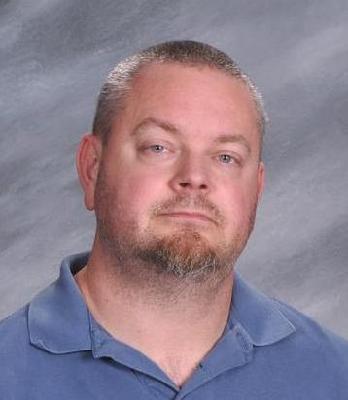
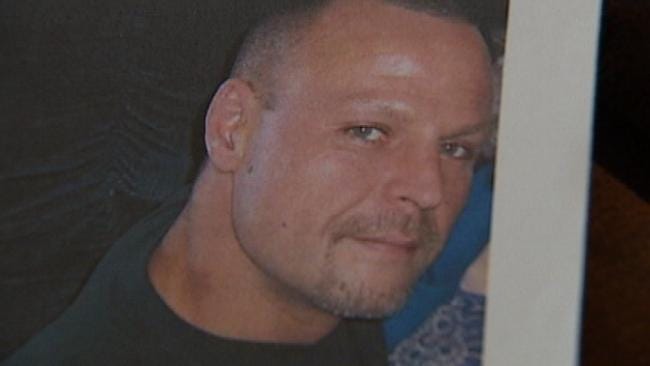
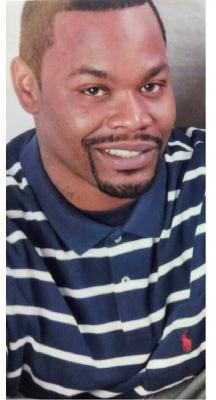
On a Saturday evening in mid-February 2019, Frankie Foster, a 38-year-old male welder from Tulsa, sat in a car with his girlfriend in the parking lot of the Normandy Apartments, a midtown complex near 41st Street and Interstate 44. What began as an ordinary night in a familiar parking lot would, within minutes, become one of Tulsa's early homicides of the year, a sudden eruption of gunfire shattering the small, quiet space they shared.
The couple was seated in his girlfriend's vehicle when another car, described as a small black SUV, pulled in behind them. Without warning, shots rang out—witness accounts later spoke of roughly seven rounds fired into the parked car before the SUV sped away into the February darkness. In the chaos, his girlfriend realized that the sounds she heard were bullets tearing through glass and metal and that the man beside her had been struck. She was physically unharmed, but Frankie had been hit in the head, gravely wounded in the confined space of the car.
Responding officers arrived at the Normandy Apartments just after 7 p.m., finding the scene in the lot: a car riddled with bullet damage, a wounded man, and a shaken witness who had watched the attack unfold from only a few feet away. Frankie was rushed from the complex, located on East 38th Street, to a Tulsa hospital, but the injuries were too severe; he was pronounced dead not long after arrival. In those early hours, police could do little more than secure shell casings, document the shattered vehicle, and speak with the surviving witness, while local news reported that no arrests had been made and that the gunman remained at large.
Within days, detectives began to put a name and a face to the attack. By February 22, Tulsa police publicly identified the suspected shooter as Sir Michael Morgan, then 37, and described the killing as a drive-by style attack in the Normandy Apartments parking lot. A warrant for first-degree murder was issued, and officers, along with local media, broadcast his name and image, urging anyone who recognized him or knew where he might be hiding to contact Crime Stoppers. Frankie's death, once just a grim entry in the city's weekend crime reports, was now bound to a specific suspect whom investigators believed had pulled up behind the couple's car and opened fire.
The manhunt did not last long. By February 26, reports confirmed that Sir-Michael Morgan had been taken into custody. Police alleged that he was the one who had opened fire on the parked car earlier in the month, striking Frankie in the head at the Normandy complex. His bail was set at $1 million, reflecting both the severity of the charge and the fear that a man accused of such a brazen shooting might pose a continuing danger to the community if released.
As the case moved from the streets into the courts, Morgan was formally charged with first-degree murder and held in the Tulsa County jail while awaiting trial. Local coverage noted that he was expected to stand before a judge in early 2020, the drive-by shooting that killed Frankie now framed in the structured language of indictments and court schedules rather than crime-scene tape and urgent press conferences. Publicly available reports, however, do not clearly document the final outcome of those proceedings, leaving the court's ultimate resolution less visible than the violent act that began it.
Today, Frankie's name lives on in digital memorials that record the date and place where his life was taken, placing him among thousands of others lost to gun violence in cities across the country. On those pages he is not only a homicide statistic but a working man, a welder from Tulsa whose final moments were spent in a car beside someone he trusted, his ordinary Saturday night abruptly transformed into a story of loss that his family, friends, and community have had to carry forward ever since.