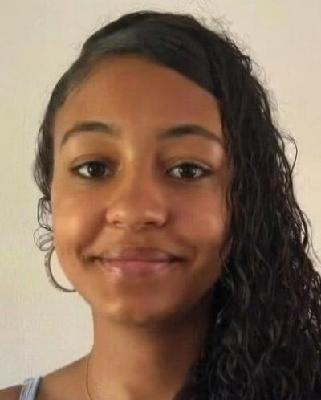
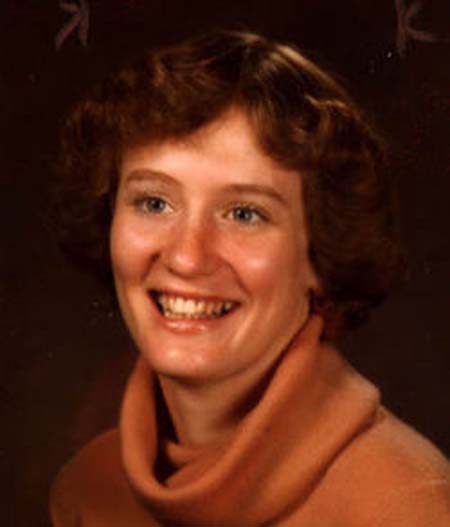
Julie Losinski was a woman from the Arcadia, Wisconsin area whose death grew out of an escalating domestic violence situation involving her husband, Donald Losinski. Although September 13, 1989, is associated with the attack, federal court records state that Julie was shot that day and died from her injuries three days later.
Trouble between Julie and Donald had already reached a serious point before the shooting.
On September 2, a domestic confrontation occurred at the couple's farm near Arcadia. Julie called her mother, Marion Simon, asking for help, and Marion's husband contacted the Trempealeau County Sheriff's Department. Deputy Duane Stoner accompanied Julie's family to the property. According to later court records, Donald angrily confronted Julie's stepfather, and the deputy ultimately warned Donald that he could be arrested if his behavior continued. Julie and the couple's three children left the property carrying clothing, and she was advised to seek legal protection.
On September 5, Julie obtained a temporary restraining order against Donald. The order prohibited him from contacting her, either directly or through another person other than an attorney, unless Julie gave written consent. The Trempealeau County Sheriff's Department received the order, and Deputy Tim Hovell personally served Donald with it that same day. Copies were also maintained by the sheriff's department so deputies would be aware of the restriction.
Julie had also begun divorce proceedings. On September 11, she and Donald appeared in family court, where Julie received permission to return to the trailer and collect personal belongings that she and her children needed. An injunction hearing had been expected on September 13, but it was canceled for reasons that are not explained in the available court record. Julie nevertheless planned to retrieve her property that morning.
Because of Donald's earlier behavior and the presence of firearms in the home, Julie did not want to return alone. Her mother, Marion Simon, and brother-in-law, Craig Goodroad, accompanied her, and the family requested law-enforcement protection. Deputy Robert Hovell was assigned to escort them. Before reaching the property, Julie's family warned the deputy about Donald's behavior and about loaded firearms inside the residence. Marion later stated that she specifically expressed concern that Donald might shoot Julie.
The group arrived at the Losinski trailer shortly before 10:00 a.m. Donald met them near the entrance and said he wanted to speak privately with Julie. Deputy Hovell asked Julie whether she wanted to go inside, and she entered the trailer with Donald while the others initially remained outside. Donald soon became argumentative. Julie's mother could hear him following Julie through the residence, swearing and arguing with her.
After several minutes, Deputy Hovell knocked and entered the trailer with Marion. The confrontation nevertheless continued. Donald and Julie were arguing in a bedroom while the deputy and family members were nearby in the hallway. Shortly after 11:00 a.m., Donald produced a loaded firearm and shot Julie once in the head and once in the neck.
Deputy Hovell immediately disarmed Donald and placed him under arrest. Julie survived the initial shooting but suffered fatal injuries. According to the federal appellate record, she died three days later.
Donald Losinski was therefore not merely considered a possible suspect; the shooting occurred in the presence of the deputy and Julie's relatives, and he was arrested at the scene after being disarmed. The readily available online court records describing Julie's death focus primarily on the later civil litigation and do not provide a sufficiently reliable account of the exact criminal charges, plea or trial disposition, sentence, or ultimate incarceration history to state those details as fact.
Following Julie's death, her three children and her estate brought a civil lawsuit against Trempealeau County, Sheriff Darrell McBride, Deputy Robert Hovell and associated insurers. Among the allegations were that the deputy failed to adequately enforce the no-contact order, failed to arrest Donald before the shooting despite the developing confrontation, and failed to take reasonable precautions to protect Julie.
A federal district court initially dismissed the claims, but the case later reached the United States Court of Appeals for the Seventh Circuit. The appellate court concluded that there were significant factual questions concerning whether Deputy Hovell had a duty to act under Wisconsin's domestic-abuse and restraining-order laws and whether he exercised reasonable care after agreeing to accompany and protect Julie. The court also concluded that the deputy was not automatically protected by governmental immunity with respect to the state-law negligence allegations. Julie's killing consequently became the subject of a significant federal court decision concerning police protection, domestic violence and law-enforcement responsibility when officers accompany an abuse victim into a potentially dangerous situation.