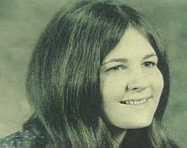
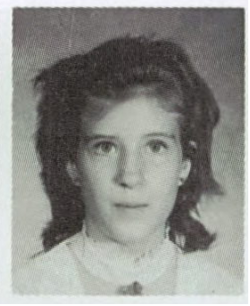
In the winter of 1997, the community of Spokane, Washington, was gripped by a series of unsolved murders that cast a long shadow of fear. Among the victims was Shawn Lynette Johnson, a 36-year-old White/Caucasian woman whose life was cut tragically short. On December 18, 1997, her body was discovered by utility workers in a remote area in the 12600 block of South Hangman Valley Road, near a sewage treatment plant. An autopsy would later confirm that she had died from a gunshot wound.
Johnson, a resident of nearby Deer Park, had been reported missing since October 17 of that year.
Johnson's case was quickly assigned to a special task force that was investigating the murders of nearly a dozen women in the Spokane area since the mid-1980s. Many of these victims shared similar lifestyles, often involving drugs and prostitution. While Johnson herself had never been arrested for prostitution, she was known to associate with women who were and frequented areas of Spokane known for illicit drug and sex trades. She had a history of arrests for drug offenses and trafficking in stolen property. Friends and family recalled a woman who had once worked in a hospital laboratory but had to leave her job due to an arm injury. A subsequent addiction to painkillers led to a more difficult life on the streets.
For a time, Shawn Johnson's murder remained one of the many unsolved cases that haunted the region. The investigation into the string of killings eventually led to a suspect named Robert Lee Yates, a former U.S. Army helicopter pilot. Yates, who came to be known as the Spokane Serial Killer, was arrested on April 18, 2000. Following his arrest, a search of his vehicle uncovered evidence linking him to multiple victims.
As part of a plea bargain to avoid the death penalty, Robert Lee Yates confessed to a total of thirteen murders, including that of Shawn Johnson. His confession brought a long-awaited, albeit somber, resolution to the families of his many victims. He revealed that Johnson had been shot twice and that he had placed plastic bags over her head. For his crimes, Yates was sentenced to 408 years in prison, ensuring he would spend the rest of his life behind bars. He was later convicted of two additional murders in Pierce County and sentenced to death, though this sentence was commuted to life without parole in 2018 when Washington's Supreme Court ruled the death penalty unconstitutional.