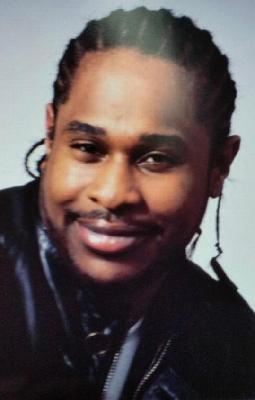
On a Tuesday afternoon, May 20, 2014, the life of 27-year-old Phillip Little, a male resident of University Place, Washington, was tragically cut short in a burst of violence. His body was discovered down an embankment near a strip mall at 56th and Orchard streets, an area known to have issues with drug and gang activity. Medics arrived at the scene, but Little was pronounced dead within 30 minutes of the shooting.
An autopsy would later reveal that he had been shot four times, with three of the bullets entering his back.
The investigation into Little's death quickly pointed towards a drug deal that had taken a deadly turn. Investigators found a bag of empty capsules inside Little's vehicle, and text messages on his phone suggested arrangements for drug transactions. Near Little's car, detectives made a crucial discovery: a cell phone belonging to 22-year-old Brandon Wilburn. This finding, along with an unloaded semiautomatic pistol found near Little's body and seven shell casings, became key pieces of evidence.
The cell phone records became a roadmap for detectives, revealing a flurry of calls and texts between Wilburn, Little, and a third man, 30-year-old Thomas Law II, just moments before the fatal shooting. Witnesses reported hearing one of the fleeing men exclaim, “Oh my God, dude, I can't believe we did that.” Further investigation of Law's cell phone data placed him in the vicinity at the time of the murder and showed a call made to Wilburn's ex-girlfriend immediately after. The ex-girlfriend told detectives that Wilburn was acting paranoid and had spoken of getting a one-way ticket back to Tennessee, feeling as though he had been set up.
Based on the evidence gathered, both Thomas Law II and Brandon Wilburn, who had met in jail, were arrested and charged with second-degree murder in connection with Phillip Little's death. They both pleaded not guilty and were held on $1 million bail. Despite denying their involvement, the digital trail they left behind painted a damning picture for the prosecution.