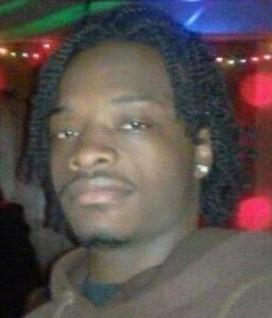
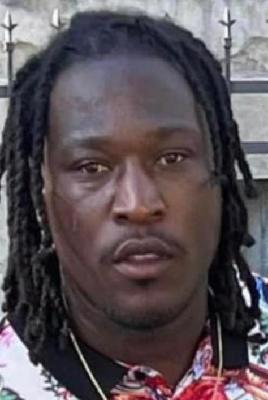
On April 28, 2012, Marlon M. Monroe, aged 23, was shot and killed in the Woodlawn neighborhood of Chicago, Illinois. Monroe, also known as "Lil Doc," was at his aunt's building doing some painting when he took a break to visit a nearby convenience store. It was during this time that he was targeted. Allegedly, Monroe was ambushed by individuals linked to gang conflicts, including T.Roy and others from TYMB, who opened fire as he approached the store. Monroe was found later by a relative in the 6300 block of South St. Lawrence Avenue, succumbing to multiple gunshot wounds.
Monroe's death was one of many gang-related incidents that took place during a violent period in Chicago, driven by ongoing rivalries among different gang factions. The environment in Woodlawn, as well as other similarly impacted areas of the city, was marked by the ongoing cycle of retribution and violence, which tragically claimed many young lives. Monroe's homicide reflected the broader context of retaliatory gang activity, where disputes often escalated into lethal violence. His killing was also linked to the broader conflicts between rival gangs Tookaville and TYMB, contributing to an environment of heightened danger throughout these neighborhoods.
In 2012, Chicago faced a significant spike in homicides, driven by an uptick in gang violence and other social factors. The unseasonably warm weather that year also saw more individuals out on the streets, which experts suggest contributed to the increased violence. Despite efforts from law enforcement to curb the violence, the deeply rooted conflicts and lack of community resources meant that neighborhoods like Woodlawn continued to suffer. Marlon Monroe’s death was one part of a grim pattern that underscored the urgent need for broader intervention and support in these struggling communities.