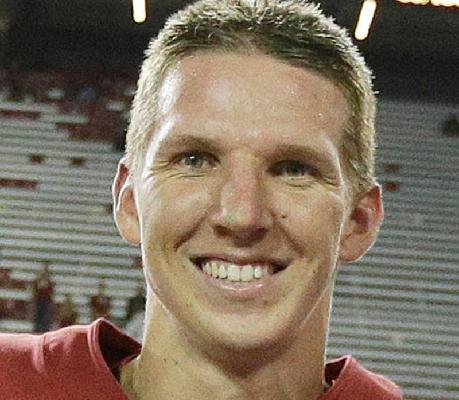
On January 16, 2018, the promising life of 21-year-old White/Caucasian male, Tyler Hilinski, came to a tragic end in his apartment in Pullman, Washington. A quarterback for the Washington State University football team, Hilinski had been expected to be the starting quarterback for the upcoming season. Concern grew when he did not show up for a team practice, prompting a welfare check by fellow teammates. Tragically, they discovered him deceased.
Upon their arrival, Pullman police officers found Hilinski with an apparent self-inflicted gunshot wound to the head. A rifle was recovered next to his body, and a suicide note was also found at the scene. The Whitman County Coroner later officially ruled his death a suicide. The investigation into his death did not lead to any arrests, nor were any suspects identified, as all evidence pointed to a self-inflicted act.
In the months following his death, a startling revelation shed new light on the potential contributing factors to his despair. An autopsy of his brain, conducted by the Mayo Clinic, revealed that Hilinski had Stage 1 chronic traumatic encephalopathy a degenerative brain disease often found in athletes with a history of head trauma. This diagnosis was a shock to his family, who described him as a sweet and outgoing individual. A toxicology report showed no evidence of drugs or alcohol in his system at the time of his death. His family has since started the Hilinski's Hope Foundation to promote awareness of mental health issues among student-athletes.