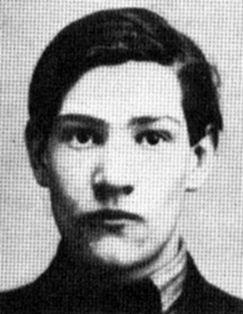
Brian M. Cherney, a 22-year-old Chicago resident, was shot and killed on September 15, 2012. His death occurred during a particularly violent year for the city of Chicago, which saw a significant surge in homicides. In 2012, the total number of homicides reached 506, an increase of over 70 cases compared to the previous two years. The rise in violence during this year has been attributed to multiple factors, including unseasonably warm weather and the disbanding of specialized gang units that
had been instrumental in targeting violent crime "hot spots."
Cherney was one of many victims whose deaths underscored the struggle faced by Chicago authorities to manage rising crime rates during a challenging period. Law enforcement officials cited the impact of changes in policing strategy—particularly the decision to eliminate specialized units that were effective in gang suppression efforts. These units had previously been responsible for proactive intervention in areas most affected by gang violence, and their absence was believed to have left certain neighborhoods more vulnerable to spikes in violent crime.
The increase in violence in 2012, exemplified by incidents like Cherney’s, brought to light the complex challenges involved in addressing gang-related crime, resource allocation, and community safety. Despite attempts by police leadership to shift towards community-focused policing and a "long-term" approach to crime reduction, the immediate increase in homicides highlighted the limitations of such strategies in the short term, as well as the ongoing issues faced by Chicago neighborhoods struggling with gang activity and socio-economic challenges.