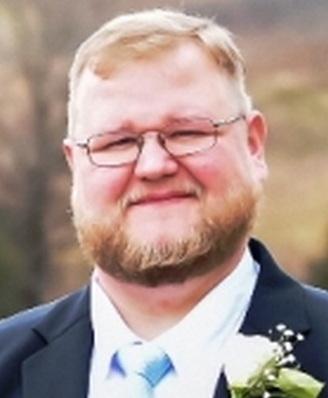
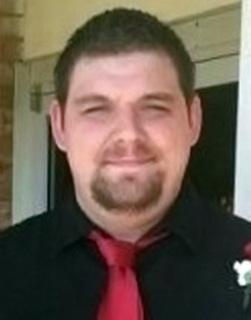
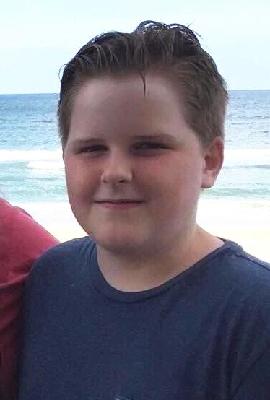
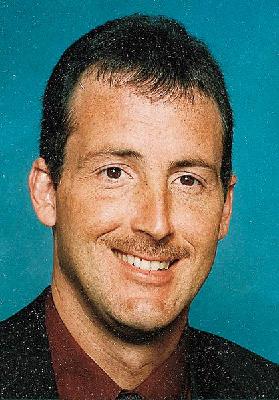
James Michael “Mikey” Carman was a 27-year-old man from Campbellsville, Kentucky, who had grown up in the Walltown community of Casey County and was deeply rooted in that rural part of the state. Born on April 24, 1993, in Stanford, Kentucky, he was the son of James Darren “Tabby” Carman of Walltown and Beverly Bowen Carman of Eubank. He attended Casey County High School, graduating in 2011, and was a member of Walltown Christian Church, surrounded by parents, brothers, and grandparents
who appear again and again in the public remembrance of his life.
Those who wrote about Mikey after his death described a young man firmly woven into an extended family network. He left behind two brothers, Jason and Daniel King, and doting grandparents on both sides of the family, Juanita Hatter Carman and Virginia Leach, while his paternal and maternal grandfathers had passed before him. Obituary notices and memorial pages paint a picture of a son and grandson whose loss would ripple outward through Walltown, Kings Mountain, and the other small Kentucky communities where his relatives lived, the kind of family where funerals bring together cousins, aunts, uncles, and church friends who all know each other by name.
On the night of July 21, 2020, that network was ruptured in a matter of moments. Late that evening, around 11:00 p.m., authorities were called to a modest residence at 102 Hill Street in Campbellsville. The Taylor County Coroner’s Office later reported that a male victim had been found inside the home with an apparent gunshot wound and was pronounced dead at the scene. He was identified as James Michael Carman, 27, of Campbellsville, and his body was sent to the state Medical Examiner’s Office in Louisville for an autopsy, while Campbellsville police and the coroner opened a joint investigation into the shooting.
In the first days after the killing, public information was sparse. Local news outlets reported only that a Taylor County man had died after a shooting in Campbellsville and that police were investigating. As the family began making funeral arrangements, the details of the service took shape: a private funeral at Barnett, Demrow & Friend Funeral Home in Waynesburg on Sunday, July 26, with a public visitation earlier that day and burial to follow at Dunham Cemetery in Casey County. Friends and relatives were invited to pay their respects, with some outlets noting that the service would be live-streamed for those who could not attend in person during the pandemic, and that a memorial fund had been established in Mikey’s name.
Even as the family mourned, the investigation pushed forward. Local radio and news reports from late summer 2020 describe how, in early September, Campbellsville police arrested two Taylor County men in connection with the Hill Street shooting. According to those reports, 21-year-old James Rawlings and 20-year-old Alexander D. Cox, both from Campbellsville, were taken into custody on a Tuesday morning at about 8:15 a.m. and charged with murder in Carman’s death. They were lodged in the Taylor County Detention Center, each held on a $5 million bond, while detectives continued to build the case.
The arrests did not end there. A few weeks later, in early September 2020, local coverage noted that a third suspect—a 16-year-old juvenile—had been arrested and charged with murder in connection with the same July 21 shooting. This development meant that three individuals now faced serious charges over the violence that had unfolded on Hill Street. Police accounts in those reports describe officers arriving at the residence on July 21 and finding Carman already dead from gunshot wounds, with Taylor County Coroner Daniel Cook pronouncing him deceased at the scene.
As the case moved from the immediate investigative phase into the courts, a Taylor County grand jury added further weight to the accusations. A later report on grand jury indictments lists both Alexander D. Cox and James Rawlings as being indicted not only for murder but also for robbery, burglary, and wanton endangerment, all tied explicitly to a killing at a residence on Hill Street. The additional charges suggest prosecutors believed the shooting took place amid a broader criminal episode, one that involved entering the home and placing others in danger, though public reporting does not spell out the precise narrative of what led up to the gunfire that night.
In the months and years that followed, Carman’s name has remained on memorial pages dedicated to victims of gun violence, which record only the bare facts that he was shot to death in Campbellsville on July 21, 2020, and invite candles, photographs, and comments from those who knew him. Publicly accessible news and obituary sources trace the trajectory from his birth in Stanford to his youth in Walltown and his adult life in Campbellsville, then through the sudden violence on Hill Street and the arrests and indictments that followed. They do not, however, clearly document the final outcome of the criminal proceedings against the accused men and juvenile, leaving the public record to end with the image of a small Kentucky community gathering at a graveside in Dunham Cemetery, while a young man’s family continues to carry his memory forward.