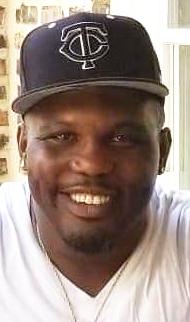
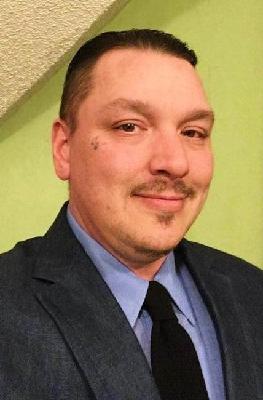
On the night of May 22, 1970, a single gunshot shattered the quiet of a Saint Paul, Minnesota neighborhood, ending the life of 27-year-old Caucasian police officer James Sackett. An Air Force veteran and a member of the Saint Paul Police Department for just 18 months, Sackett was a husband and a father to four young children. That evening, he was on his first shift back at work after the birth of his youngest child.
The call that led him to his death was a deceptive plea for help, a report of a pregnant woman in labor at 859 Hague Avenue, designed to lure an officer into a fatal ambush.
Responding to the urgent call just after midnight with his partner, Glen Kothe, Sackett approached the darkened house. When no one answered the front door, Kothe went around to the back. As a dog began to bark from inside, a shot rang out from across the street. A high-velocity rifle bullet struck Sackett in the chest, just above his badge. He died on the sidewalk before he could be helped. The bogus emergency call and the sniper-style attack in a predominantly African-American neighborhood during a period of racial tension immediately pointed to a calculated assassination.
For 35 years, the murder of Officer Sackett remained a painful unsolved case for his family and the police department. Investigators pursued leads, but the trail seemed to go cold with no eyewitnesses to the shooting and no weapon ever recovered. Early in the investigation, suspicion fell upon two men, Ronald Reed and Larry Clark, but a lack of sufficient evidence prevented any charges from being filed. The case was a defining moment for the Saint Paul police, a stark reminder of the dangers they faced during a turbulent era of social and political unrest.
Decades later, a breakthrough finally came. In 2005, both Ronald Reed and Larry Clark were arrested and charged with Sackett's murder. The prosecution's case was bolstered by key testimony, including from a woman who admitted to making the fake 911 call at their behest. The motive, prosecutors argued, was for the suspects to impress the national leadership of the Black Panthers by killing a white police officer. In 2006, both men were convicted. Reed was sentenced to life in prison. Clark's conviction was later overturned by the Minnesota Supreme Court, but he subsequently entered a plea deal for conspiracy to commit murder and was freed in 2010.