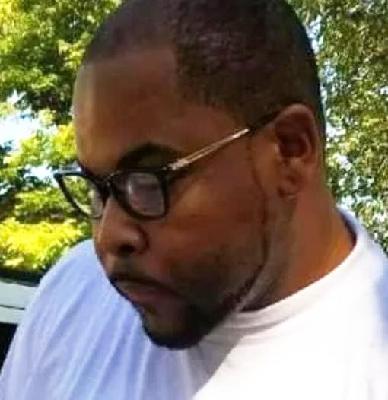
Anthony Maurice Holman Jr., a 26-year-old Black male, was shot multiple times late on the morning of September 29, 2021, outside the Speedway gas station at 6950 Brooklyn Boulevard in Brooklyn Center, a first-ring suburb just northwest of Minneapolis. First responders reached the scene around 11:18 a.m., but efforts to revive him failed, and he was pronounced dead there.
The Hennepin County Medical Examiner later confirmed his identity, noted his residence as Eagan, and ruled the manner of death a homicide caused by multiple gunshot wounds.
The shooting rattled the neighborhood in broad daylight, prompting road closures and school lockdowns as investigators marked shell casings and canvassed witnesses. Police said early on that the killing did not appear to be random, a detail that suggested the gunman targeted the victim rather than firing indiscriminately at bystanders. News cameras captured the taped-off pumps and a shaken witness recounting rapid shots through a car windshield as traffic and daily routines ground to a halt around the station.
In the hours after the attack, two suspects were taken into custody as detectives pursued leads and reviewed surveillance footage, underscoring how quickly the investigation was moving on its first day. Within a week, however, the picture grew more complicated: authorities disclosed that three people had been arrested on suspicion of murder but that two were released without charges, while the remaining arrestee faced a lesser, non-homicide count. No one had been charged with Holman's killing at that time, and investigators continued to treat the incident as an isolated act.
Even as the immediate urgency of the scene faded, the core facts remained stark: a young man's life ended at a neighborhood gas station before noon on a weekday, the violence swift and precise enough to leave little doubt about intent, yet the path to accountability uncertain. The official case listing fixed the where and when, recorded the wounds that took his life, and named the agency responsible for the investigation, but the most critical question—who would ultimately be held responsible—remained unanswered in public records available soon after the crime.