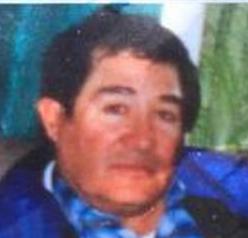
On a Tuesday afternoon in November 1999, Deputy Sheriff James Kenney, a 62-year-old Caucasian male, was part of a team of officers with a difficult task. They were closing in on an escaped inmate from the Cloud County Jail, who had fled to a residence in Morganville, near Clay Center, Kansas. A six-year veteran of the Clay County Sheriff's Department, Kenney was not just a deputy; he was the founder of the department's canine unit, and his loyal partner, a police dog named Copper, was with him
as they prepared to execute a search warrant on the home where the fugitive was believed to be hiding.
The suspect, 22-year-old Jeffery Hebert, had escaped from jail the previous night along with two other inmates by overpowering corrections officers. While the other two were quickly captured, Hebert had managed to make his way to his own residence, setting the stage for a tragic confrontation. As the law enforcement team, led by Deputy Kenney and Copper, entered the house on November 16th, they began their search. The trail led them to an attic, a confined and dangerous space to confront a desperate fugitive.
As Deputy Kenney bravely ascended the attic stairs with Copper, he was met with sudden and fatal violence. Hiding in the attic, Hebert opened fire with a shotgun, striking and killing the veteran deputy. In the ensuing moments, Hebert also shot and killed Copper, the police dog. The suddenness of the attack sent shockwaves through the other officers present. Following the fatal shots, law enforcement officers managed to take Jeffery Hebert into custody.
In the aftermath of the deadly shooting, the suspect was charged with capital murder for the death of Deputy Kenney, as well as inflicting death on a police dog and other offenses. The legal process that followed resulted in a conviction for capital murder. Although the jury did not unanimously decide on a death sentence, Jeffery Hebert was sentenced to life in prison without the possibility of parole for 50 years, ensuring he would be held accountable for the violent end of a dedicated lawman's life.