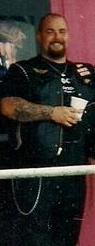
On April 27, 2002, a violent confrontation known as the River Run riot occurred at the Harrah's Casino & Hotel in Laughlin, Nevada, during the Laughlin River Run event. This clash involved the Hells Angels and the Mongols motorcycle clubs, resulting in multiple fatalities, including the death of Robert E. Fess Tumelty, a 50-year-old Hells Angels member.
Tumelty was one of the three individuals killed in the riot.
Alongside him, another Hells Angels member, Jeramie Bell, 27, was also shot to death. On the Mongols side, Anthony Barrera, 43, was stabbed to death. The brawl was marked by intense violence, with various weapons such as guns, knives, hammers, and wrenches being used. The police found a significant number of these weapons abandoned on the casino floor, including 14 guns, 107 knives, 2 hammers, 2 wrenches, and 9 flashlights.
The investigation into the River Run riot was complicated by a lack of cooperation between the Nevada state authorities and the federal government. The Nevada attorney-general sought to prosecute the individuals involved as separate entities, while the federal government aimed to indict the Hells Angels and Mongols as criminal organizations under the Violent Crimes in Aid of Racketeering Activity act. This discrepancy hindered the progress of the case, and by the first anniversary of the riot in April 2003, no charges had been filed against anyone involved in the violence.
Despite the lack of immediate charges, the incident led to a broader investigation involving the ATF, known as Operation Black Biscuit. This operation, which began after the riot, involved infiltrating the Hells Angels and other motorcycle clubs. However, it did not directly result in the prosecution of those responsible for the deaths during the River Run riot. Instead, it led to the arrest and conviction of various Hells Angels members and associates on charges related to narcotics trafficking, firearms violations, and other crimes. For example, four Alaskan Hells Angels members were arrested on federal racketeering and firearms charges in December 2003, stemming from the investigation into the club's activities, including the River Run riot.
The suspects directly involved in the River Run riot were not specifically identified or prosecuted due to the aforementioned jurisdictional issues and lack of cooperation between law enforcement agencies. However, the broader investigation and subsequent operations did lead to the arrest and conviction of several Hells Angels members on various charges, although these were not directly tied to the deaths of Tumelty, Bell, and Barrera during the riot.
In summary, Robert E. Fess Tumelty's death was part of a larger violent incident involving rival motorcycle clubs, but the specific individuals responsible for his death were not prosecuted due to the complexities and disagreements in the investigative and prosecutorial process. The aftermath of the riot led to significant law enforcement actions against the Hells Angels, but these did not result in direct accountability for the fatalities that occurred during the River Run riot.