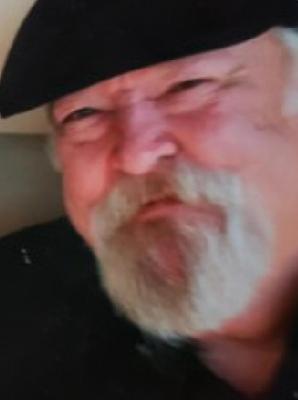
On the evening of September 9, 2015, 55-year-old male Daniel Fenstemacher was at home in the Mark Twain area of Storey County near Dayton, Nevada, when what began as a domestic disturbance escalated into lethal violence. Around 6:25 p.m., the Storey County Sheriff's Office received a call reporting a family dispute at a residence in that hillside community, a quiet area overlooking the desert between Virginia City and Dayton. Deputies arrived to find the scene already transformed from argument to tragedy: inside the home, they discovered Daniel dead from gunshot wounds, the house abruptly recast as a crime scene rather than a refuge.
Daniel had spent years rooted in northern Nevada, with public records and later case summaries noting that he had lived in Carson City, Washoe County, and Storey County before settling into the Mark Twain neighborhood. Neighbors knew the area as the kind of place where people kept to themselves, with scattered homes, dirt roads, and big skies, not somewhere they expected to see crime tape and detectives' vehicles clustered in the growing dusk. The discovery of his body inside his own residence underscored that the danger that took his life came not from some random intruder, but from conflict within his immediate circle.
Investigators immediately treated the death as a homicide. What the first deputies confronted inside the house led them to secure the property and call in detectives and crime-scene specialists. The sheriff's office described the incident to the press as a domestic disturbance that had turned deadly, emphasizing that Daniel lived at the residence where the shooting occurred. Over the next two days, the Storey County coroner formally identified him as the victim and confirmed that he had been killed by gunfire, while detectives began reconstructing the chain of events that led from a reported family dispute to a man lying dead on the floor.
Before the week was out, authorities announced an arrest. The Storey County Sheriff's Office took 66-year-old William Thomas Lyle into custody, identifying him publicly as a resident of the same Mark Twain home and the man suspected in Daniel's shooting. According to contemporary reports, there was no indication of additional assailants; Lyle was described as the sole individual arrested in connection with the killing. The narrative presented to the public was stark: deputies respond to a family disturbance, find Daniel shot to death inside, and, after the initial investigation, arrest the older man who shared the residence with him.
From there, the trail in publicly accessible records grows thin. Local news coverage focused on the initial shock of the killing and the arrest but did not follow the case through court proceedings, leaving a gap in the open record about the exact charges brought against Lyle, how he ultimately pleaded, or what sentence the court formally imposed. Case summaries compiled years later still repeat the same core facts: the September 9, 2015 domestic disturbance in the Mark Twain area, Daniel found dead of gunshot wounds in his home, and the arrest of William Thomas Lyle as the lone suspect, without detailing how the justice system resolved the case.
Into that silence, family accounts add details that do not appear in the news archives. According to his sister, the shooting was not a single sudden shot but a relentless assault, with Lyle allegedly firing eight times at Daniel while he was already on the ground, a description that paints the killing as especially brutal and deliberate. She further recalls that the judge ultimately ordered only six months of jail time for Lyle and then suspended that sentence, a resolution that, from the family's perspective, amounted to a profound failure to match the punishment to the harm. While such specifics are not documented in publicly available reporting, they color how those closest to Daniel understand what happened to him: a man they loved shot repeatedly in his own home, and the system, in their eyes, responding with a sentence that could never balance the loss.