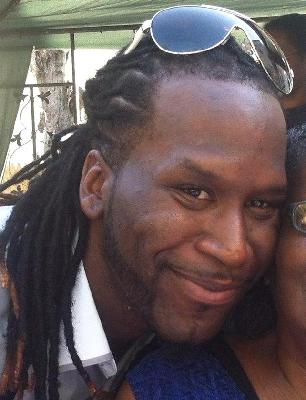
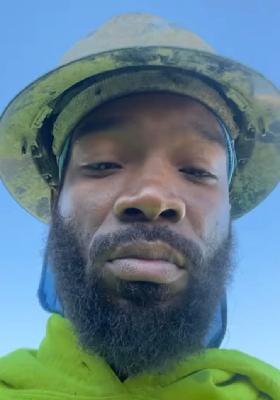
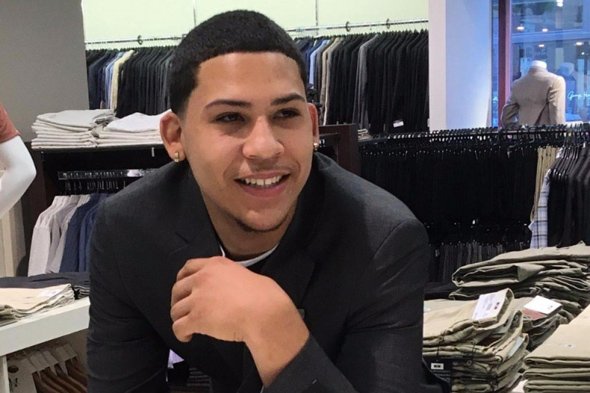
On the morning of September 22, 1980, a grim discovery was made inside Sammy White's Brighton Bowl in Boston, Massachusetts, marking the tragic end for four of its employees. The victims of the brutal slayings were identified as 40-year-old George E. Hagelstein, a male, along with his colleagues Donald Doroni, 41, and brothers Brian Cobe, 23, and David Cobe, 21.
The men had been working when they were subjected to a horrifying ordeal that ended their lives.
Investigators pieced together a gruesome sequence of events. The four employees had been bound, viciously bludgeoned with a bowling pin, and then shot execution-style. The initial discovery was made by another employee arriving for work who found the bowling alley's safe open and immediately alerted the authorities. Upon their arrival, police found a bloody and chaotic scene in the mechanics' room at the rear of the establishment. Three of the men were pronounced dead at the scene, while Brian Cobe was rushed to a nearby hospital, where he succumbed to his injuries. The motive for the heinous crime was determined to be robbery, with the assailant making off with approximately $4,800 from the safe.
The investigation quickly focused on a former employee, a cab driver named Bryan A. Dyer. Dyer had previously worked at the bowling alley in 1973. Evidence and witness testimony began to build a compelling case against him. Eyewitnesses placed a car matching Dyer's near the bowling alley around the time of the murders. Furthermore, in the days following the robbery and murders, witnesses testified that Dyer had suspiciously paid off an overdue car loan and prepaid three months' rent at the YMCA where he was living.
Bryan A. Dyer was subsequently arrested and charged with four counts of murder, armed robbery, and the unlawful possession of a firearm. During his trial, the prosecution presented evidence linking him to the crime. Dyer was found guilty on all counts and sentenced to four consecutive life sentences for the murders. He remained incarcerated for the rest of his life, dying in prison in 2011. The savage nature of the murders at Sammy White's Brighton Bowl left a lasting scar on the community and led to renewed public debate about the death penalty in Massachusetts.