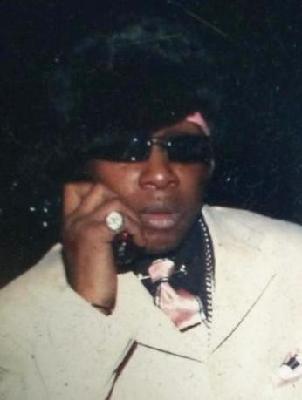
On December 20, 1993, Louis D. Brown, a 15-year-old sophomore at West Roxbury High School in Boston, Massachusetts, was tragically shot and killed in a violent incident that shocked the community. Louis was an ambitious and promising young individual, known for his academic excellence and his aspirations to attend college and eventually earn a PhD in aerodynamic engineering.
He also harbored a long-term goal of becoming the first Black and youngest President of the United States, reflecting his deep commitment to making his community a more peaceful and just place.
The incident occurred as Louis was on his way to a Christmas party organized by the group Teens Against Gang Violence. He was caught in a fatal crossfire shootout near his home in the Dorchester neighborhood of Boston. The shooting happened in the middle of the afternoon, just as Louis was about to enter the subway ramp at Fields Corner Station, five days before Christmas.
The media coverage of Louis's murder was extensive, with initial speculation about whether he was involved in a gang or if the shooting was related to a drug deal. However, it was soon revealed that Louis was an honor student who was actively involved in anti-gang violence initiatives, which led to a significant shift in public opinion and an outpouring of support for his family.
In the aftermath of Louis's death, there was a significant investigation into the circumstances surrounding the shooting. Charles Bogues was identified as a suspect and subsequently arrested and charged in connection with Louis's murder. Bogues spent 16 years in prison after pleading guilty to the crime. However, in recent years, Bogues has sought to reverse his guilty plea, claiming he was wrongly convicted and hoping to clear his name.
The case against Bogues was built on the investigation and evidence gathered at the time, although the specifics of the trial and the evidence presented against him are not detailed in the available sources. The high-profile nature of Louis's murder and the subsequent conviction of Bogues underscore the complexities and challenges of justice in cases involving violent crime, particularly in urban areas plagued by gang violence and other forms of criminal activity.
The legacy of Louis D. Brown has been honored through the establishment of the Louis D. Brown Peace Institute, co-founded by his mother, Clementina Chéry, in 1994. The institute has worked tirelessly to promote peace, provide support to survivors of homicide victims, and implement programs aimed at reducing juvenile crime and addressing trauma, grief, and loss in the community.