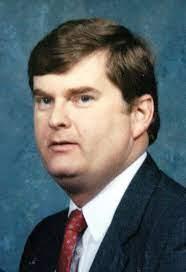
In the early morning hours of February 7, 2009, a young man's life was cut short in Brockton, Massachusetts. Keith M. Leverone, a 19-year-old male, was found in the parking lot of a convenience store at 662 Belmont Street, suffering from a fatal gunshot wound to the head. The Brockton Police had received multiple calls reporting shots fired in the area at approximately 3:11 a.m. Upon their arrival, they discovered the tragic scene.
Leverone, who was a resident of Taunton and had formerly lived in Brockton, was pronounced dead, and his death was subsequently ruled a homicide by the Office of the Chief Medical Examiner.
The investigation that followed the shooting was a collaborative effort between the Massachusetts State Police detectives assigned to the Plymouth County District Attorney's Office and the Brockton Police. Their inquiry revealed that the shooting was preceded by a physical altercation outside the convenience store. Following this dispute, a man named Joao Teixeira was seen arming himself with a handgun. Shortly thereafter, Keith Leverone was shot in the parking lot.
The investigation led to the arrest of Joao Teixeira. In 2012, he stood trial for the murder of Keith Leverone and was found guilty of Murder in the First Degree by deliberate premeditation. He was also convicted of Unlawful Possession of a Firearm. For the murder of the 19-year-old, Teixeira received a sentence of life in prison without the possibility of parole.
Following his conviction, Joao Teixeira appealed the verdict to the Massachusetts Supreme Judicial Court. His appeal was based on several legal arguments, including the jury instructions, the introduction of prior bad acts as evidence, and statements made by the prosecutor during the trial. He also claimed ineffective assistance from his trial counsel and presented what he claimed was newly discovered evidence, seeking to have the first-degree murder verdict reduced. However, in a published decision in January 2021, the Supreme Judicial Court rejected all of Teixeira's claims and affirmed his first-degree murder conviction, ensuring that he would continue to serve his life sentence.