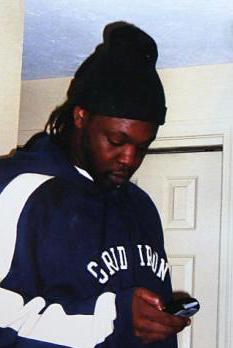
In the quiet, early morning hours of July 12, 2015, the life of Gilson Patrick Monteiro, a 25-year-old Black male from Brockton, Massachusetts, was tragically cut short. The fatal encounter unfolded in the driveway of a residence at 33 Lida Drive in the neighboring town of Easton. Just before 1:30 a.m., a gunshot shattered the stillness of the suburban neighborhood. When police and paramedics arrived at the scene, they discovered Monteiro with a single gunshot wound to his chest.
He was rushed to a local hospital, but the injury proved fatal, and he was pronounced dead.
The investigation that followed pointed to a dispute that had spiraled into violence. Authorities identified Michael J. Nardone, who was 24 at the time and lived at the Lida Drive home where the shooting occurred, as the person responsible. Evidence presented during the subsequent trial revealed that Nardone and Monteiro were part of a group that had gathered at the house. An argument erupted, which then moved outside into the driveway. It was there that Nardone, armed with a handgun, fired the shot that killed Monteiro. Following the incident, Nardone fled the scene, disposing of the weapon, which was later recovered by law enforcement.
For more than two years, the case remained under investigation by Easton Police and Massachusetts State Police detectives assigned to the Bristol County District Attorney’s Office. In August 2017, a grand jury indicted Michael Nardone on charges of murder and illegal possession of a firearm. He was apprehended and subsequently held without bail as he awaited trial.
In the fall of 2019, a jury in Fall River Superior Court found Michael Nardone guilty of first-degree murder in the shooting death of Gilson Monteiro. The conviction was based on a theory of deliberate premeditation. As a result of the verdict, Nardone received a mandatory sentence of life in prison without the possibility of parole. Prosecutors argued that Nardone's actions were a senseless and tragic response to a verbal disagreement, forever altering the lives of two families.