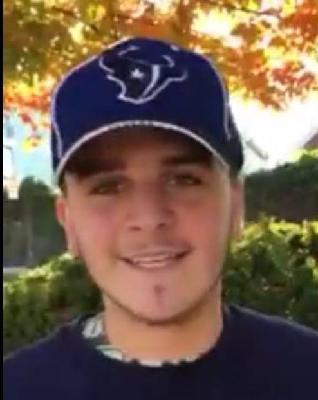
In the late hours of June 28, 2016, a life of public service was tragically cut short in a Stoneham, Massachusetts home. David Atherton, a 24-year-old Caucasian male, who had recently joined the Stoneham Fire Department and was an active member of the Massachusetts Army National Guard, was fatally shot. The incident occurred at approximately 11:10 p.m.
inside his Congress Street residence, where he had been drinking and socializing with friends.
The circumstances of Atherton's death were born from a reckless game. He and his childhood friend, 23-year-old Patrick Riccardi-O'Connor, were passing a handgun back and forth, pointing it at each other. During this dangerous exchange, Riccardi-O'Connor, who was a licensed EMT and fellow military police officer in the National Guard with Atherton, discharged the firearm. A single bullet struck Atherton in the chest, and he was pronounced dead at the scene. A third man was also present in the home at the time of the shooting.
Immediately following the shooting, there was an attempt to mislead investigators. Riccardi-O'Connor initially called 911 and claimed that Atherton had shot himself. However, the presence of videos the men had been taking throughout the evening contradicted this story. Confronted with this evidence, which reportedly included a video of him "ingesting" a bullet as a stunt, Riccardi-O'Connor admitted to investigators that he had pointed the gun at his friend and pulled the trigger, not believing it was loaded. The gun was legally owned by Riccardi-O'Connor, but his license to carry was revoked following the incident.
Patrick Riccardi-O'Connor was arrested and initially charged with involuntary manslaughter, assault and battery with a dangerous weapon, and discharging a firearm. He was arraigned in Woburn District Court and released on bail with several conditions, including GPS monitoring. In May 2019, Riccardi-O'Connor pleaded guilty to manslaughter, possession of a firearm while intoxicated, and discharging a firearm within 500 feet of a building. A judge sentenced him to five years of probation. The terms of his probation stipulated that he could not consume drugs or alcohol, must submit to random screenings, continue with mental health and alcohol treatment, and was prohibited from possessing a firearm.