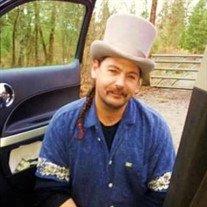
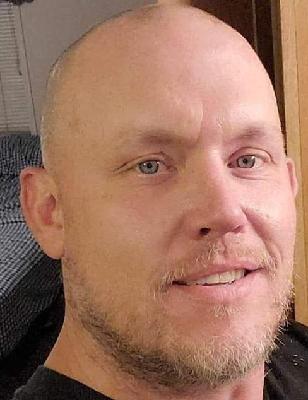
Michael Clyde MacDonald, a 61-year-old male from Cave Junction, Oregon, whose ethnicity has not been publicly specified, was found shot to death on the afternoon of August 2, 2014. At approximately 3:35 p.m., 9-1-1 calls summoned Oregon State Police to the 6000 block of Rockydale Road, where troopers discovered him on the property with at least one gunshot wound; an autopsy was scheduled as investigators with OSP, the Josephine County District Attorney’s Office, and the Grants Pass Department
of Public Safety formed a major-crimes team to work the case. The lead investigator was identified as OSP Detective Annie Harris, and in the days immediately following, authorities announced there had been no arrests.
Within a week, a name surfaced: Stranger Raymond Davis, then 28, of Cave Junction. Detectives identified Davis as a person of interest, tracked him to the Paradise area of Butte County, California, and—working with Paradise Police—had him picked up on an unrelated warrant on August 6, 2014. Josephine County then obtained a murder warrant and held Davis as a fugitive from justice pending extradition to Oregon, closing the distance between rumor and resolution with a paper trail and a custody transfer.
What prosecutors later reconstructed was an ambush in daylight outside MacDonald’s cabin on Rockydale Road. In court filings and testimony summarized by reporters, Stranger Davis said he was suffering from mental problems when he approached and fired four rounds into the upper torso of Michael “Dirty” MacDonald, 61. Davis, who once called MacDonald “Dad” and described him as a father figure, mounted an insanity defense that Josephine County Judge Lindi Baker rejected after a non-jury trial. The portrait that emerged was of a younger man fatally turning on the older man he claimed to revere, transforming a rural summer afternoon into a crime scene and a community’s lingering question into a grim answer.
A jury was not the finder of fact; instead, following the bench trial’s conclusion in early March 2017, Davis was found guilty of murder. Days later, he was sentenced to life in prison with the possibility of parole after 25 years, a punishment that underscored the court’s rejection of his insanity claim. News accounts also noted that months before MacDonald’s death, in an unrelated case, he had been publicly named a person of interest in the killing of a Cave Junction man, though authorities stressed he was not a suspect—an echo of the interwoven relationships and suspicions in a small valley town that made the later revelations in his own case all the more jarring.