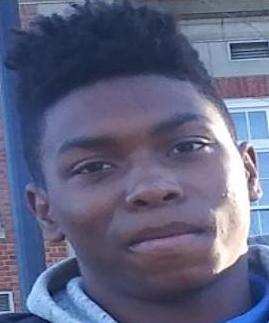
Floyd Hodges, a 34-year-old man, was shot and killed on January 30, 2016, in Chicago. His death occurred during one of the most violent years in Chicago's recent history. In 2016, the city experienced a dramatic spike in homicides, with over 760 murders reported—a figure that highlighted the severe challenges faced by law enforcement and community organizations in curbing gun violence.
Hodges was one of the many victims of gun violence that year, as Chicago experienced an increase in gang-related activities, conflicts over territories, and broader socio-economic issues that contributed to the surge in violent crime. According to reports, 2016 saw a significant increase in both shootings and homicides across several neighborhoods, especially in areas where crime was already prevalent. This spike has been analyzed extensively by institutions like the University of Chicago Crime Lab, which highlighted the severity of the problem and sought to understand the underlying causes of the surge in violence during this period.
The tragedy of Hodges' death, and those of hundreds of other victims, underscored the urgent need for effective community-based interventions and systemic reforms to address gun violence in Chicago. Despite various efforts by law enforcement, community leaders, and local non-profits, the scale of violence in 2016 was overwhelming, leaving a lasting impact on the affected neighborhoods and families. Floyd Hodges' death was emblematic of the broader crisis that plagued Chicago, prompting ongoing conversations about strategies to ensure public safety and prevent future spikes in violent crime.
Sources:
- Chicago Sun-Times Homicides Database
- Chicago Data Portal on Homicide Mapping
- University of Chicago Crime Lab report on gun violence in 2016.