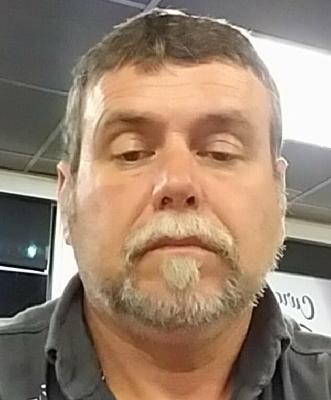
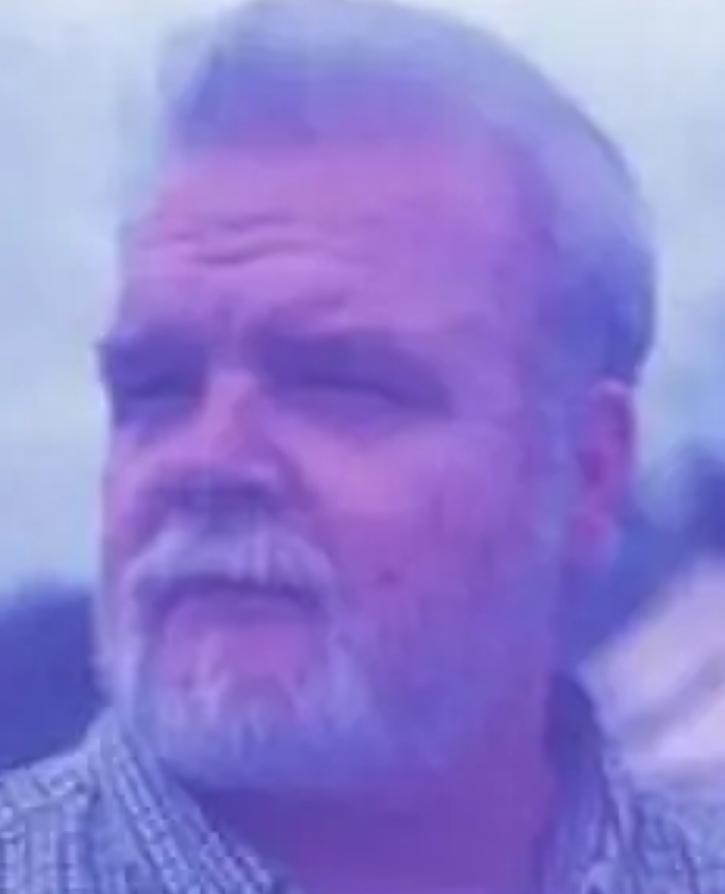
Harald “Marty” Edward Martinson III was a 35-year-old White/Caucasian man from Martinsburg, West Virginia, whose life ended in a shooting during the early morning hours of May 28, 2016. Martinson had been born on October 28, 1980, in Hagerstown, Maryland. At the time of his death, he was working toward a new stage in his life through technical education. He was attending the James Rumsey Technical Institute and was expected to graduate that July.
He had been inducted into the National Technical Honor Society and had recently passed the apprentice level of the West Virginia State Electrical Examination. He was also a graduate of the Art Institute of Pittsburgh and was remembered by his family as a talented and prolific artist.
The fatal encounter occurred at a residence at 5512 Shepherdstown Road near Martinsburg. Authorities said Martinson was with his girlfriend, Jennifer Jean Pendias, when an argument developed between them. During that confrontation, Martinson was shot. Berkeley County sheriff’s deputies investigating the incident found him in the bathroom of the residence suffering from a single gunshot wound. Emergency efforts were unable to save him, and Martinson was pronounced dead at Berkeley Medical Center.
Pendias herself contacted emergency dispatchers after the shooting. According to police accounts released immediately afterward, she told 911 that she had accidentally shot her boyfriend. That assertion became an important distinction in the criminal case: Pendias maintained that the gunfire occurred during an argument but was accidental, while investigators treated Martinson’s death as a criminal homicide serious enough to support a murder charge.
The Berkeley County Sheriff’s Office arrested Pendias, who was 31 at the time, and charged her with murder on the same day Martinson was killed. She was taken to the Eastern Regional Jail and initially held without bail. Early reports did not identify another suspect, and the investigation focused on Pendias as the person accused of firing the shot that killed Martinson.
The case eventually proceeded as a first-degree murder prosecution. By December 2017, Pendias was facing the possibility of life imprisonment if convicted of that charge. Rather than moving directly to a jury trial, however, attorneys negotiated a proposed resolution that would substantially change the charge and the potential punishment. Under the reported plea agreement, Pendias would be permitted to enter an Alford plea to second-degree murder.
An Alford plea allows a defendant to maintain that she is not admitting factual guilt while acknowledging that prosecutors possess sufficient evidence that a jury could reasonably convict her. That distinction was especially significant in Pendias’s case because she had maintained from the beginning that Martinson’s shooting was accidental. The proposed plea therefore offered a way to resolve the murder prosecution without requiring her to affirmatively confess that she intentionally killed Martinson.
Under the reported agreement, the first-degree murder exposure would be replaced by a second-degree murder disposition, with Pendias facing a sentence of as much as 40 years in prison. During a December 2017 status hearing, the judge ordered a pre-plea investigation before proceeding with the proposed agreement. A further hearing was scheduled for February 8, 2018. Available online reporting clearly documents the negotiation of the Alford plea and the contemplated second-degree murder resolution, but readily accessible reports do not conclusively establish the final sentence ultimately imposed, so a specific term of imprisonment cannot be stated with confidence from the available sources.
Beyond the circumstances of the shooting and prosecution, Martinson’s obituary portrayed a man whose death came while he was actively building toward his future. He was only weeks away from completing his technical program, had achieved recognition through the National Technical Honor Society, and had begun satisfying West Virginia’s requirements for electrical work. His artistic background and technical studies showed interests that extended well beyond the circumstances that ultimately brought his name into criminal court records.
Martinson left behind his parents, siblings, nephews, grandparents and numerous extended family members. Family and friends gathered for services in early June 2016, little more than a week after the shooting. What began during the early morning hours of May 28 as an argument between Martinson and Pendias ultimately resulted in his death, Pendias’s immediate arrest on a murder charge, and a lengthy prosecution that eventually moved toward resolving the original first-degree murder allegation through a proposed Alford plea to second-degree murder.