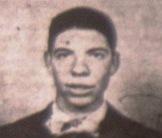
On a tragic evening in late spring, the quiet farming community of Martinsburg, Iowa, was forever scarred by a brutal act of violence. It was May 27, 1962, when Andrew Rex "Andy" McBeth, a 51-year-old White male, along with his wife Dora, met a violent end in their rural home. The peace of their Sunday evening was shattered by the very person they had taken into their home, their 24-year-old nephew, Gayno Gilbert Smith.
Smith, who had been living with the McBeth family, orchestrated a meticulous and cold-blooded plan to annihilate his own relatives.
The horror began to unfold after Smith had taken his cousins—the McBeth children—to a dance in a neighboring town, a deceptive gesture to empty the family home. While the children were away, Smith returned to the farmhouse and fatally shot his uncle, Andrew, and his aunt, Dora. When the children returned late that night to a darkened house, they discovered the horrific scene. Their parents lay slain, and the nightmare was far from over. Smith, armed and waiting, then turned his weapon on his cousins. The twins, Amos and Anna McBeth, aged 19, and their 17-year-old sister, Donna Jean Kellogg, were all shot and killed.
Amid the carnage, a single ray of hope flickered in the darkness. Fifteen-year-old Patsy Lou McBeth was also shot, but she managed to escape the house of horrors. Wounded, she fled into the night, navigating the dark countryside until she reached a nearby farmhouse to summon help. Her survival was a testament to her resilience in the face of unimaginable terror. Donna Jean's six-month-old baby, who was in a crib inside the house, was miraculously left unharmed.
In the aftermath of the massacre, Gayno Smith went into hiding, sparking a manhunt that gripped the region with fear. He was discovered four days later, concealed in a barn near Lake Wapello. Upon his arrest, Smith confessed not only to the brutal murders of his aunt, uncle, and three cousins but also to the murder of his stepmother, Juanita Smith, who had been missing since the previous October. Faced with the near certainty of a death sentence, Smith pleaded guilty to five counts of first-degree murder and one count of second-degree murder. The judge sentenced him to six consecutive life terms at hard labor, ensuring he would spend the remainder of his life behind bars. Gayno Smith died in prison in 2005, leaving behind a legacy of pain and a community forever changed by his monstrous acts.