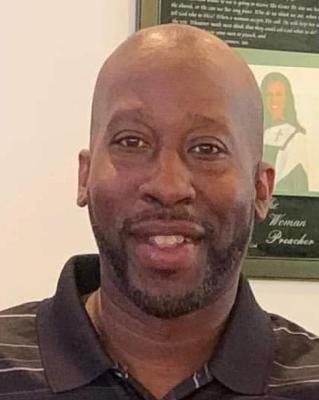
In the late summer of 2015, a simmering neighborhood dispute in Waterloo, Iowa, tragically ended the life of Donald Lee Harrington, a 43-year-old White male. On the evening of August 14th, what began as a trivial disagreement over children's snack wrappers escalated into a fatal confrontation. Harrington, a married father of five and a grandfather, was at his estranged wife's home, which was next door to the sister of Steve William Fordyce.
Fordyce was visiting from Denver, Colorado, with his two young children. The conflict ignited when Fordyce's children reportedly threw fruit snack wrappers over the fence into the Harrington's yard.
Later that evening, the simmering tension boiled over. An initial exchange of heated words and gestures occurred between the two men. The situation escalated when Harrington approached Fordyce. According to court records, Harrington was yelling and advancing toward Fordyce in a threatening manner, saying things like, "I'll f**king kill you." Fordyce, who was licensed to carry a firearm, drew his handgun. From a distance of a few feet, Fordyce shot Harrington three or four times. Harrington was struck in the chest and upper body and fell to the ground. He was transported to Covenant Medical Center, where he succumbed to his injuries.
Following the shooting, Steve Fordyce, then 37, remained at the scene. He placed his weapon in his vehicle's glove compartment and waited for law enforcement to arrive. Fordyce was arrested and subsequently charged with first-degree murder. He pleaded not guilty, claiming self-defense. Opting for a bench trial instead of a jury, Fordyce argued that he feared for his life during the confrontation. The judge ultimately found him guilty of the lesser charge of voluntary manslaughter.
During his sentencing, Fordyce apologized for his actions. He was sentenced to a term of up to 10 years in prison. He later appealed his conviction, arguing his case should be considered under Iowa's "stand your ground" law, which was enacted after his trial. However, the courts ruled that the law could not be applied retroactively to his case. Fordyce was later paroled in 2019.