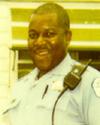
Pierre L. Payne, a 32-year-old male, was fatally shot on April 15, 2016, in Chicago, Illinois. The homicide took place in the Englewood neighborhood, which is an area that has seen ongoing challenges with high rates of violence. Pierre Payne’s death occurred during a year in which Chicago experienced a significant spike in homicides, with over 760 murders reported by the end of 2016. This surge marked one of the deadliest years in recent history, reflecting a larger trend of escalating gun violence across the city.
Payne’s case, like many others that year, remained unresolved, with no arrests reported. The increase in homicides in 2016 has been linked to various complex factors, including a surge in gang-related conflicts and the presence of illegal firearms. This environment made public spaces like the streets of Englewood particularly vulnerable to violent incidents. Pierre Payne’s death serves as another tragic example of how the violence that plagued Chicago affected individuals and families throughout the city, leaving many communities in mourning.
The spike in homicides in 2016 prompted significant concern from community leaders and policymakers. Despite efforts to improve community policing and introduce violence reduction programs, the ongoing cycle of violence was hard to break, particularly in neighborhoods with persistent socioeconomic challenges. Payne’s death underscores the need for sustained efforts to address both the root causes of violence and the immediate threat posed by the easy availability of firearms in the city.