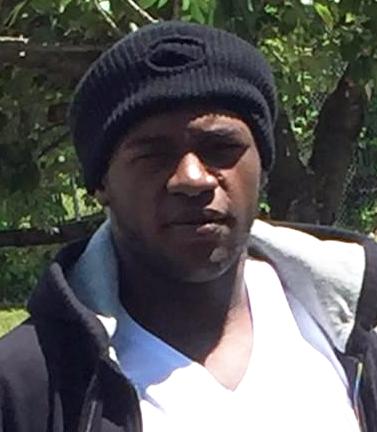
Neal White, 27, male, was among six people killed in New Haven, Connecticut, in the early hours of August 26, 1966. He had arrived that night at 16 Northeast Drive as a friend of Mary McClease, whom he had just driven up from North Carolina. Inside the kitchen, White sat at the table near McClease as family members moved about the small apartment, unaware that danger was approaching through the summer darkness.
Moments later, a man entered carrying a rifle concealed in a sweater, lifted it toward McClease, and fired. Then he turned to White and shot him from his chair, sending him to the floor as panic erupted around the room.
Investigators later tied the rampage to a hunt for a missing partner and a gathering storm of jealous anger. The assailant, Arthur J. Davis, had spent the preceding days searching for his common-law wife, telling relatives and acquaintances that he was going to hurt someone and keeping both a carbine and a pistol at hand. He visited the home on Northeast Drive multiple times on August 25, then returned around midnight with the rifle wrapped in a sweater. After shooting McClease and White in the kitchen, he fired again at others, then moved through the house, where further gunshots echoed upstairs and in the living room. By the time the rifle fell silent, six people were dead: Mary McClease, Neal White, Michael Sykes, Carolyn Sykes, Richard Leathers, and Francine McClease.
Davis fled into the night, reloaded, and drove off, running red lights as he left New Haven. Not long after, New Jersey State Troopers engaged him on the New Jersey Turnpike near Passaic. The pursuit stretched roughly forty-eight miles at highway speeds before officers stopped the car around 3:40 a.m. on August 26. When they opened the door, they found a loaded pistol at Davis’s hand and a loaded carbine on the front passenger-side floor, evidence that the weapon had been recharged after the shooting. Davis was taken into custody, ending the flight that followed the killings.
In the case that followed, the court heard testimony about Davis’s threats, his deliberate return to the apartment with a concealed rifle, and his movements inside the home as he shot each victim. He was convicted on six counts of first-degree murder and sentenced to death, a judgment later affirmed on appeal. Public memorial records and local remembrances continue to list White among the victims of the New Haven mass shooting on August 26, 1966, marking the life cut short at a kitchen table that night.