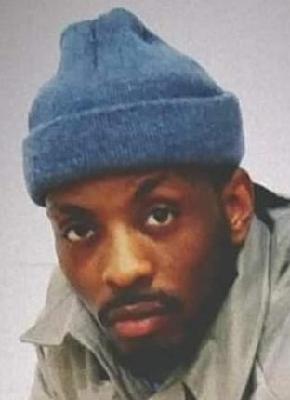
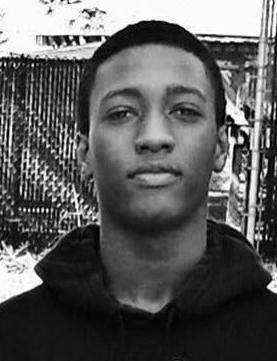
In the early morning hours of October 14, 1992, the life of 24-year-old Eddie Harp was tragically cut short in a burst of gunfire. A male resident of New Haven, Connecticut, Harp was driving his station wagon near Saint Raphael's Hospital at approximately 2:10 a.m. when the fatal attack occurred. He had just spent time with a friend, an employee at the hospital, during her lunch break. As he drove away from the hospital's main entrance, multiple shots were fired at his vehicle.
The car continued to roll until it came to a stop in a nearby parking lot.
First responders discovered Harp unconscious in the driver's seat, having sustained three gunshot wounds, one of which was to his head. Despite being rushed to the very hospital he had just departed, his injuries proved too severe. Eddie Harp succumbed to his wounds approximately six hours later, leaving a community to grapple with the senseless violence that had claimed a young life.
The subsequent investigation into Harp's murder led authorities to a local narcotics group known as "Red Line," named for the red bags they used to package drugs. Tensions had been escalating between this group and associates of a man named Steven Gary, who was a friend of Harp's. It was this connection that investigators believed made Harp a target. The investigation culminated in the arrest of 19-year-old Maleek Jones, a known member of the Red Line group.
The prosecution's case against Jones hinged on the testimony of Tyrone Spears, an associate of Jones and a fellow member of the Red Line crew. Spears testified that on the night of the murder, he, Jones, and another man known as "Pepper," whose real name was Gene John, armed themselves with. 357 revolvers and lay in wait near the hospital's entrance. According to Spears, as Harp's station wagon exited the driveway, all three men opened fire. Based largely on this testimony, Maleek Jones was convicted of Harp's murder in 1995 and sentenced to 65 years in prison. However, years later, doubts about the conviction emerged, and in 2023, after serving nearly three decades, Jones's murder conviction was overturned. The only neutral eyewitness to the shooting had consistently reported seeing two shooters whose descriptions did not match Jones.