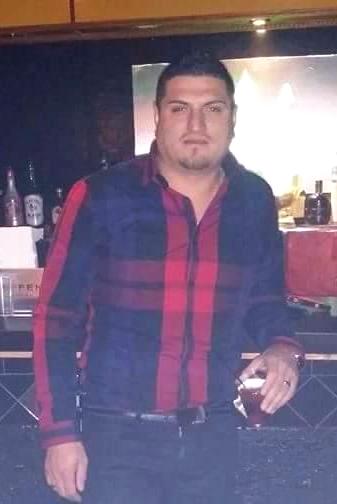
Said E. Hayik, aged 25, was shot and killed on October 4, 2016, in Chicago, Illinois. The incident took place in the Washington Heights neighborhood, on Chicago's South Side, an area that has historically struggled with high levels of gun violence. Said's death occurred during a particularly violent year in Chicago, where the number of homicides reached a 20-year high, with over 760 recorded killings across the city. His body was found with multiple gunshot wounds, and the incident is suspected to have been linked to ongoing issues of violence in the neighborhood.
In 2016, Chicago experienced a significant surge in homicides, partly attributed to a decrease in police street stops and increasing tensions among gangs. Said Hayik’s death was among many incidents that underscored the systemic issues plaguing many neighborhoods, including lack of economic opportunities, ongoing gang conflicts, and insufficient community resources. The impact of such incidents was profound, with communities calling for greater intervention, both from law enforcement and from initiatives aimed at addressing the root causes of violence, including poverty and lack of opportunity for young people.
Community members and those who knew Said gathered to mourn his death and light candles in his memory. His case remains emblematic of the struggles faced by many Chicago neighborhoods during that period, with widespread calls for action to combat the cycle of violence and prevent further loss of life. The rising homicide rates during 2016 put immense pressure on law enforcement and city officials to find more effective solutions to tackle crime and support vulnerable communities in areas like Washington Heights.