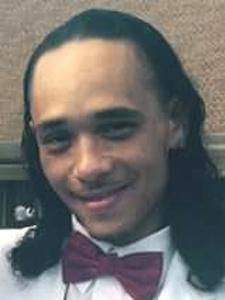
On October 31, 2016, Mark A. Higgins, a 28-year-old resident of Chicago, Illinois, was fatally shot in what was a particularly violent year for the city. Higgins' death took place during a Halloween night when violence in the city was escalating significantly. He was one of the 764 homicide victims in Chicago that year, a period marked by a dramatic increase in shootings and violent incidents across the city's neighborhoods.
The year 2016 saw an overall spike in homicides, attributed to a combination of factors including tensions between communities and law enforcement, as well as an increase in the availability of illegal firearms. The University of Chicago Crime Lab reported that Chicago had one of the highest numbers of murders in decades, with a sharp rise that seemed to occur across all months, contributing to a total of 764 homicides for the year. These homicides, including Higgins’, were part of a wave that impacted many communities, leaving a lasting effect on families and neighborhoods.
Higgins was one of the many victims whose deaths highlighted the struggles Chicago faced with gun violence during 2016, a year where city officials, community activists, and researchers were all striving to understand and combat the surge in killings. The data points from that year suggest an urgent need for new policies and community interventions to address the root causes of violence. Despite efforts from both law enforcement and community organizations, the challenges in reducing violent crime remained evident throughout the year.