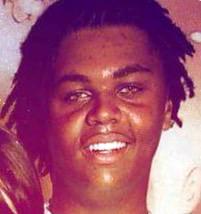
Luis O. Villa, a 36-year-old resident of Chicago, was fatally shot on November 6, 2016. His death took place during one of the most violent years in Chicago’s recent history, a year that saw a dramatic spike in homicides compared to previous years. The increase in violence in 2016 resulted in Chicago reaching 764 homicides, which was a substantial rise from the previous year's numbers.
This was part of a broader pattern of escalating violence that year, much of which involved firearms, as 90% of homicides were committed with a gun, reflecting the rising availability and use of illegal firearms on the streets of Chicago.
Villa’s homicide occurred in an environment where violence had become increasingly common across many neighborhoods. Experts attributed part of the surge in violence to a mix of social, economic, and policing issues. The abrupt dismantling of specialized policing units, alongside a reduction in community outreach efforts, left neighborhoods vulnerable to gang activities and retaliatory violence. It was reported that the uptick in gun violence was not solely due to gang conflicts; rather, incidents like armed robberies also contributed to the increase, suggesting that a mix of financial motivations and escalating disputes were at play.
The rise in homicides in Chicago during 2016 was also a reflection of a broader trend seen in other cities, although Chicago stood out for its particularly steep increase. Despite the violence, police efforts to confiscate illegal firearms did see a higher rate of gun recovery per capita compared to other large cities such as Los Angeles and New York. However, this did little to curb the rising number of violent incidents that led to tragic deaths like that of Luis Villa, highlighting the challenge faced by law enforcement in addressing the pervasive issue of gun violence across the city.