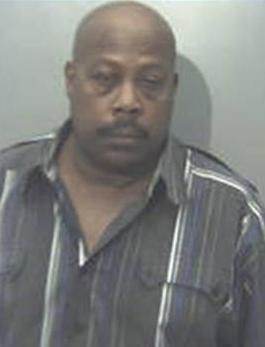
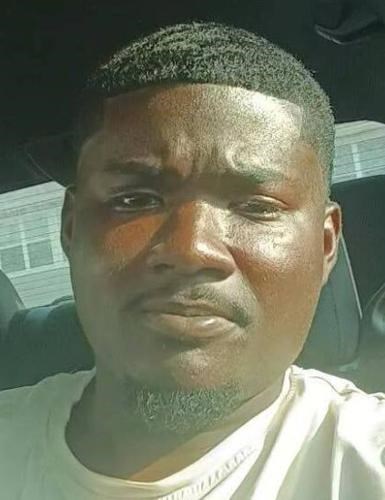
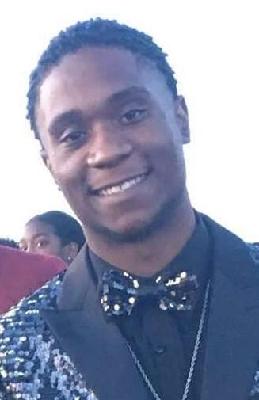
On a late November afternoon in 2017, Charles Lindel Ice, a 39-year-old Black man from Stuttgart, Arkansas, crossed paths with the kind of sudden violence that can shatter a small community in an instant. Around 3:20 p.m. on November 26, police were called to 400 North Lowe Street, a quiet residential stretch in Stuttgart, where they found Ice lying wounded in the aftermath of a shooting.
Officers discovered him suffering from multiple gunshot wounds; he was rushed from the scene to a nearby hospital, but doctors could not save him, and he was pronounced dead soon after arrival. His body was then sent to the Arkansas State Crime Lab so that investigators could formally determine the exact cause and manner of death, while special agents with the Arkansas State Police Criminal Investigation Division joined Stuttgart officers in treating the case as a homicide from the outset.
Witness accounts painted a picture of a confrontation that escalated far too quickly. According to those early statements, Ice had been involved in a physical altercation with another man, Morgan McDonald of Stuttgart, in the moments before gunfire erupted on North Lowe. What began as a fight between two men in the middle of a Sunday afternoon ended with one of them bleeding on the pavement and neighbors stepping onto their porches in shock. Longtime residents told reporters they were stunned that such a deadly encounter had unfolded on their street, noting how devastating it was to see two young lives—one ended and one now facing prison—caught up in the same burst of violence.
Investigators moved quickly to identify and locate a suspect. Before the day was over, Arkansas State Police and Stuttgart officers had tracked down McDonald, then 30 years old, and taken him into custody. Law enforcement officials announced that he was being held in the Arkansas County Detention Center, initially on charges of first-degree murder and felon in possession of a firearm, as authorities worked to piece together exactly what had happened in the lead-up to the shooting. Public statements emphasized that the investigation was ongoing, but the outlines of the case were already clear: a Sunday afternoon dispute between two men, witnessed by people on the block, had ended in a fatal spray of bullets and a swift arrest.
As the legal process moved forward, Ice’s family watched the case shift in ways that left them feeling both exposed and powerless. Several months after the shooting, they contacted a local television station to say that the man accused in the killing was no longer behind bars. Court records they shared showed that McDonald’s charge had been reduced from first-degree to second-degree murder, and that he had been allowed to post bond—set at $25,000—and go free while awaiting trial. For Ice’s relatives, the news felt like a profound imbalance: their loved one buried, while the person accused of taking his life slept at home. His uncle, George James, voiced their anguish to reporters, saying that the family respected the McDonalds but could not understand how someone charged with murder could be back in the community so soon, and questioning why, in their view, justice seemed to be moving so gently on the defendant’s behalf. A pretrial hearing was scheduled, but prosecutors declined public comment, leaving the family to measure their grief against a justice system that felt distant and opaque.
In the years that followed, Ice’s name remained etched into the digital traces of the town’s history. Online memorials dedicated to victims of gun violence list him among those lost in Stuttgart, with visitors lighting virtual candles and leaving brief messages in his memory, while crime-tracking sites preserve the stark outline of his final afternoon: the address on North Lowe, the time of the call, the rush to the hospital that came too late. Together, these fragments form a slender record of a life interrupted—a man whose death turned a quiet Sunday into a crime scene, whose family continues to speak his name, and whose case, as presented in public sources, is frozen at the point where charges were filed, bail was posted, and loved ones were left waiting to see what measure of accountability the courts would ultimately deliver.