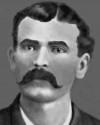
In the dusty, untamed streets of Tombstone, Arizona, a town teeming with prospectors, cowboys, and fortune-seekers, Frederick H. White served as its first town marshal. A 31-year-old white male, he was a figure of authority in a place that often teetered on the edge of lawlessness. Known for his fair and capable nature, he had earned a level of respect even among the more unruly elements of the town, including the cowboys who frequently clashed with the law. He was known to be on friendly terms with Wyatt Earp, a deputy undersheriff for the southern portion of Pima County, which included the burgeoning mining town.
On the night of October 28, 1880, a group of cowboys were making their way through town, their revelry punctuated by the firing of pistols into the air. Marshal White, in the course of his duties, set out to disarm them. He had successfully and peacefully taken firearms from several of the men when he encountered William 'Curly Bill' Brocius in a vacant lot near the Birdcage Theater. Brocius, who was intoxicated, was ordered by White to surrender his weapon. As the story goes, Brocius complied, handing the pistol to the marshal barrel-first. In that fateful exchange, the gun discharged, sending a bullet into White's lower stomach.
Wyatt Earp, who had been observing the interaction from a distance, rushed to the scene. He pistol-whipped Brocius and, along with his brother Morgan, took him into custody. Marshal White lingered for two days, in considerable pain, before succumbing to his wound on October 30, 1880. Before he died, however, White gave a deathbed statement in which he declared the shooting to be an accident. This testimony, coming from the victim himself, would prove crucial in the legal proceedings that followed.
'Curly Bill' Brocius was arrested for the shooting and was said to have been deeply regretful, as he reportedly liked Marshal White. To avoid a potential lynching in the wake of the marshal's death, Wyatt Earp and another deputy transported Brocius to the county jail in Tucson. Ultimately, based on Marshal White's dying declaration that the shooting was unintentional, Brocius was acquitted of any wrongdoing in the death of Tombstone's first marshal. Frederick H. White was laid to rest in the town's Boothill Graveyard, his death a somber chapter in the often-violent history of the American West.