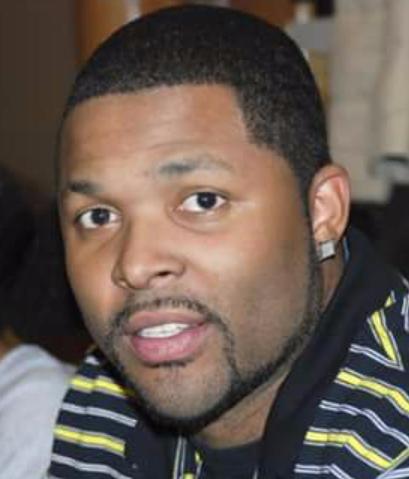
On June 1, 2017, Antonio L. Wilson, aged 30, was fatally shot in Chicago, Illinois. The incident was part of a broader surge of gun violence that the city was experiencing, especially during the warmer months when shootings historically tend to spike. Wilson's death took place amid a year of persistent violence in Chicago, which continued to grapple with high homicide rates. The city recorded over 650 homicides in 2017, a sobering reminder of the challenges Chicago faced in dealing with the complexities of gun violence.
Antonio Wilson was among several victims of shootings that occurred on the same day, underscoring the scale of the violence that impacted many neighborhoods in Chicago. The city had implemented various measures to curb violence, including increased policing and community-based initiatives, but these efforts often struggled to effectively address the underlying causes, such as poverty, unemployment, and gang activity, which continued to drive these tragic incidents.
Wilson's death was emblematic of the ongoing struggle for safety in Chicago's communities, with the repeated loss of lives causing grief and distress for families and neighborhoods alike. The incident not only highlighted the immediate need for violence prevention but also pointed towards the necessity for deeper investments in long-term community support and economic opportunities to help create safer environments for Chicago's residents.