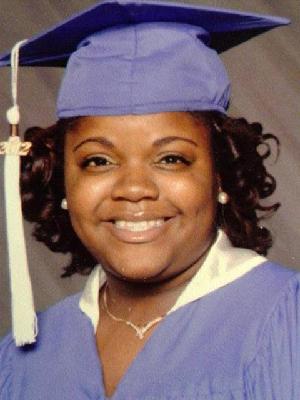
Laquesha L. Holmes, aged 33, was fatally shot on August 23, 2017, in Chicago, Illinois. Her death occurred during a particularly violent year for the city, which recorded a high number of homicides. The incident took place in an area that had seen repeated issues with gun violence and crime, reflecting the broader challenges facing Chicago at that time.
The year 2017 was marked by considerable efforts by law enforcement and community leaders to reduce gun violence, yet the city continued to experience incidents like Holmes' killing. The challenges were exacerbated by the presence of illegal firearms and systemic issues affecting marginalized communities. Despite some progress in reducing overall homicide rates compared to previous years, violent crimes such as the one that claimed Holmes' life highlighted the difficulties faced by residents and officials in achieving a sustainable reduction in violence.
Holmes' death underscores the impact of persistent violence in Chicago's neighborhoods and the continuing need for more comprehensive strategies to combat gun violence. The struggles faced by communities like hers call for targeted interventions, improved community relations, and social programs that address the root causes of violence, including poverty and lack of opportunity. The ongoing efforts to improve public safety in Chicago must take into account the need for both law enforcement responses and community-based solutions to create meaningful and lasting change.