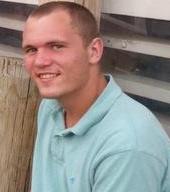
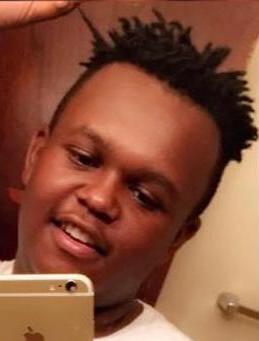
Joshua Bautista Vidal, a 21-year-old Hispanic man from North Charleston, South Carolina, was remembered by loved ones as happy, intelligent, hardworking and kind, a young landscaper whose life revolved around steady work and the people close to him. In the early hours of April 11, 2023, he was driving through Goose Creek when that ordinary routine was shattered, setting in motion a chain of events that would leave a community stunned and a family grieving.
Just before dawn, residents of
the Pine Lakes Apartments on South Cranford Road woke to the sound and shock of a Dodge Durango plowing into one of the buildings, coming to rest in an apartment’s living room. Deputies from the Berkeley County Sheriff’s Office arrived to find the SUV embedded in the structure and Vidal behind the wheel, beyond saving, pronounced dead at the scene. A person who had been inside the struck apartment was hurt in the impact and taken to a nearby hospital, their injuries a grim reminder that the violence had spilled directly into someone’s home.
What initially looked like a catastrophic crash quickly turned into a homicide investigation. An early review of the evidence showed that Vidal had been shot before his vehicle left the roadway and tore into the building, transforming the mangled SUV into the centerpiece of a crime scene rather than a simple traffic wreck. Investigators worked to piece together the final moments of his drive to the Pine Lakes complex, following his path to South Cranford Road and treating the apartments and surrounding streets as a corridor where someone had opened fire and then vanished into the darkness. Local coverage framed the case as a possible murder of a North Charleston resident in Goose Creek, underscoring that authorities believed his death was the deliberate act of another person, not a tragic accident.
In the days that followed, deputies canvassed for information and made public appeals, urging anyone who had seen or heard anything around the time of the crash to contact the sheriff’s office, a plea repeated in later references to the case. Yet as time passed, no announcements came naming a suspect, no booking records or major news updates surfaced tying anyone to Vidal’s killing, and there were no reports of charges, trials or convictions connected to the shooting. Searches of subsequent local crime and court coverage through the following years show only the original accounts of the crash-turned-homicide and memorial mentions of his name, suggesting that, at least publicly, the investigation has not produced an arrest.
While the official case remains in that unresolved space between active file and cold case, Vidal’s story continues in quieter ways. On an online gun-violence memorial, dozens of virtual candles have been lit beneath his photograph, and someone who knew him took the time to write that he was “happy,” “intelligent,” and a “hard worker” in landscaping, fragments of personality preserved in a few lines on a screen. Together with the stark details from police—an early-morning drive, gunfire in the dark, a wrecked SUV in an apartment’s living room—those memories form the only narrative that exists so far: a young worker from North Charleston, killed on a quiet April morning in Goose Creek, and a family still waiting for answers about who pulled the trigger and why.