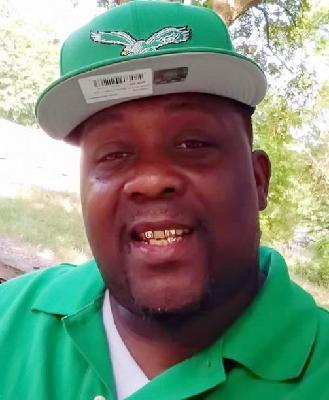
Jason Bailem, a 39-year-old Black man from Mount Pleasant, South Carolina, spent the Saturday night of November 25, 2023, in a quiet neighborhood off Brently Road, a part of town not accustomed to gunfire but soon to be marked by tragedy. Late that weekend, Mount Pleasant, a community more associated with suburban calm than with violent crime, would learn that his killing was its first shooting death in more than two years, a jarring milestone that rippled through local news and social media.
Shortly before 10 p.m., a report of shots fired brought Mount Pleasant police racing into the Brently Road area. Officers arrived to find a man lying in the yard of a residence, gravely wounded from a gunshot, the front lawn suddenly transformed into a makeshift trauma bay under the sweep of patrol car lights. Neighbors watched from windows and porches as officers dropped to their knees beside him, beginning life-saving efforts in the grass while more units secured the scene and taped off the modest property.
Paramedics rushed Jason to the Medical University of South Carolina in Charleston, the region’s major trauma center, where doctors continued the fight that had begun in the yard. Despite those efforts, the coroner later reported that he died at 10:35 p.m. from his gunshot wound, his life officially ending less than an hour after the first frantic 911 calls. In the first statements released to the public, investigators described the shooting as an isolated incident and emphasized that there was no broader danger to the community, a careful reassurance that did little to answer the growing questions about who had pulled the trigger and why.
In the days that followed, police confirmed that the case was being treated as a homicide and asked anyone with information to contact the department or local crime tip lines. Public reports did not name any suspect or person of interest, and there were no announcements of arrests tied to the killing, leaving the narrative of Jason’s final moments largely confined to those brief official summaries: a yard off Brently Road, a single gunshot, frantic efforts to save him, and then silence where motive and accountability should have been. The absence of publicly identified suspects turned the case into a stark reminder of how a life can be reduced, in the record, to a few lines about time, place, and cause of death while the deeper story remains locked in the memories of those who were there.
Away from the crime scene and the clipped language of police reports, Jason’s name began to appear in softer contexts: online memorial pages, obituary notices, and a funeral home tribute announcing that a Celebration of Life would be held for him on December 4, 2023, at Greater Howard AME Church in McClellanville. Candles were lit for him on gun violence memorial sites, and brief, heartfelt messages collected beneath his photo from friends and family trying to reckon with the suddenness of his loss. Together, those public fragments sketch a bittersweet coda: a man whose life ended in the hard glare of police lights on a Mount Pleasant lawn, and whose memory, in the months that followed, was kept alive in digital guest books, church programs, and the quiet grief of a community still waiting for a fuller accounting of how and why he died.