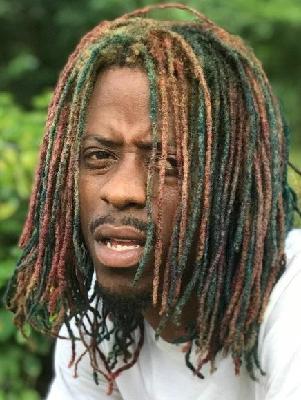
On a spring afternoon in East Atlanta, a walk down a quiet residential street turned deadly for a beloved father of three. Tracey Bernard Jackson, a 44-year-old Black man, was shot and killed in broad daylight on Monday, May 2, 2016. The sudden violence left his family heartbroken and a community searching for answers that remain elusive years later. His death is one of 51 homicides from that year in Atlanta that the police are still working to solve.
In the moments before the shooting, residents near the 1000 block of Hilburn Drive SE saw Tracey walking with another man. Witnesses later described this individual to Atlanta Police Department investigators as a Black male with shoulder-length dreadlocks, though some reports mentioned the dreadlocks were short. He was reportedly wearing BDU-style camouflage pants or shorts. For reasons that have never been made public, the peaceful scene was shattered by the sound of gunfire.
Immediately after the shots were fired, the man who had been walking with Tracey was seen fleeing the area. He jumped into a waiting black hatchback or a small sport utility vehicle, which then sped away from Hilburn Drive at a high rate of speed. When first responders arrived, they found Tracey fatally wounded. The motive for the shooting has never been determined, and the identity of the man seen with him remains unknown.
The investigation was handled by the Atlanta Police Homicide Unit, which appealed to the public for help. They circulated the description of the man with dreadlocks and the getaway vehicle, hoping someone would come forward with a crucial piece of information. A month after the killing, Tracey's grieving family spoke out, desperate for justice. His sister, Yolissa Jackson, shared her profound loss. "Me, losing Tracey, a part of me died. They took my heart," she said in an interview. "I want to know who did it, why they did it."
Tracey Jackson was a father to three boys who were left without him. His family’s pain was a stark reminder of the human cost behind the city's crime statistics. The year 2016 was a particularly violent one for Atlanta, which recorded 111 homicides, making it the deadliest year for the city in nearly a decade. The increase mirrored a national trend of rising murder rates in large cities. In response to the spike in violence, city officials launched initiatives aimed at curbing gun-related crimes, but for families like the Jacksons, the loss was permanent.
Years have passed since Tracey Jackson was killed, and his case has grown cold. No arrests have ever been made, and no suspects have been publicly named by law enforcement. The investigation officially remains open, but without new leads, progress has stalled. The image of a man in camouflage shorts and a black SUV speeding away are the last known clues in a case that has left a family shattered.
As of February 2017, Tracey’s murder was officially listed among the dozens of unsolved cases from 2016. His family continues to hope that someone, somewhere, will break the silence. Crime Stoppers Atlanta offered a reward of up to $2,000 for any information leading to an arrest and indictment in the case. Police urge anyone with details, no matter how insignificant they may seem, to contact the Atlanta Police Homicide Unit or Crime Stoppers, where tips can be submitted anonymously.